
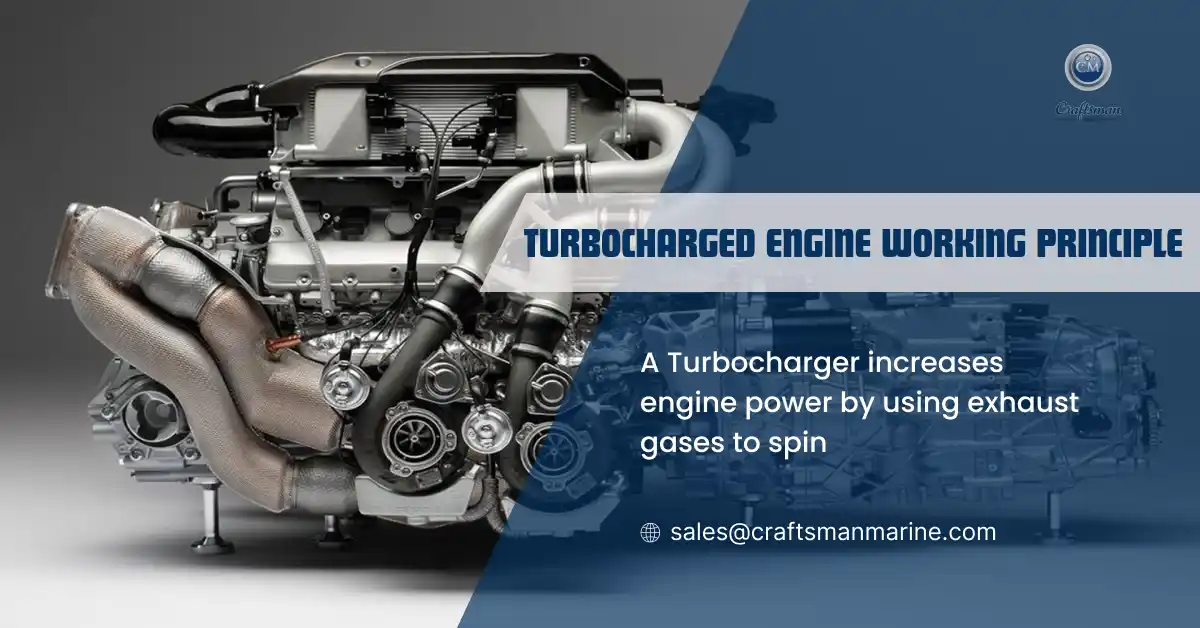
There was a time when the word “turbo” was synonymous with posters of exotic supercars and the smell of burning rubber. If a car had a turbocharger, it was built for raw speed, and fuel economy was usually the last thing on the engineer’s mind. However, as we move through 2026, the script has completely flipped. Today, turbocharged engines are the backbone of the automotive industry, appearing in everything from heavy-duty trucks to the tiniest, budget-friendly eco cars.
The reason turbocharged engines are taking over is simple: they allow manufacturers to build smaller, lighter engines that produce more power while using less fuel. By recycling exhaust gases to pump more air into the combustion chamber, a small three-cylinder engine can now match the performance of an old, heavy V6. This shift is driven by a global push for fuel efficient engines that don’t sacrifice the “get-up-and-go” feeling drivers expect.
II. Turbo vs. Naturally Aspirated: The Great Shift
To understand why the “turbo revolution” happened, we have to look at the turbo vs naturally aspirated debate. A naturally aspirated (NA) engine draws in air at normal atmospheric pressure. To get more power out of an NA engine, you generally need more displacement—which means a bigger, heavier engine that drinks more gas.
Turbocharged engines, on the other hand, use a turbine driven by the engine’s exhaust to force extra air into the cylinders. This process, known as forced induction, allows a tiny engine to punch way above its weight class. In 2026, the efficiency gap has widened so much that naturally aspirated engines are becoming a rarity, reserved mostly for entry-level economy cars or high-revving specialty sports cars.
Why Displacement is Dying
Weight Reduction: Smaller engines make the car lighter, improving handling and braking.
Friction Loss: Fewer cylinders mean less internal friction, which directly translates to better MPG.
Packaging: Compact engines leave more room for safety features and passenger space.
III. The Rise of Turbo Technology in Modern Cars
The “turbo lag” of the 1980s—that annoying delay between hitting the gas and feeling the power—is officially a thing of the past. Modern turbo technology in cars has become incredibly sophisticated.
Twin-Scroll and Variable Geometry
Manufacturers now use “twin-scroll” turbos that separate exhaust pulses to keep the turbine spinning consistently. We are also seeing more Variable Geometry Turbochargers (VGT), which adjust their internal vanes to provide boost at both low and high speeds.
Electric Turbos (e-Turbos)
In 2026, the biggest breakthrough is the electric turbocharger. By using a small electric motor to spin the compressor before the exhaust gases take over, carmakers have completely eliminated lag. This makes turbocharged engines feel as responsive as an electric vehicle (EV) while maintaining the long-range benefits of liquid fuel.
IV. Why Eco Cars Joined the Turbo Club
It might seem strange to put a performance-boosting part in a car designed for “green” living, but turbos are the secret weapon of fuel efficient engines.
When you are cruising at a steady speed on the highway, a small turbocharged engine acts like a tiny, frugal motor. It uses very little fuel because it isn’t “on boost.” However, when you need to merge or pass another vehicle, the turbo kicks in, giving you the power of a much larger engine for a few seconds.
This “power on demand” allows car companies to meet strict government emissions standards without making cars that feel dangerously slow. It is the ultimate “have your cake and eat it too” scenario for modern commuters.

V. Reliability and Maintenance in 2026
A common concern among buyers is whether turbocharged engines are reliable for the long haul. In the early days, turbos ran hot and could wear out quickly. Today, engineering advancements have made them incredibly durable.
Cooling Systems: Modern turbos are often water-cooled and continue to circulate coolant even after the engine is turned off to prevent heat soak.
Synthetic Oils: The widespread use of high-quality synthetic oils means the bearings inside the turbo stay lubricated even under extreme pressure.
Manufacturing Precision: 3D-printed components and aerospace-grade alloys mean modern turbos can spin at over 200,000 RPM for hundreds of thousands of miles.
VI. The Hybrid Connection: A Perfect Match
One of the reasons turbocharged engines are dominating 2026 is their synergy with hybrid systems. Many “Eco” cars now use a small turbo engine paired with an electric motor.
The electric motor provides instant torque from a stop, while the turbo engine takes over at higher speeds where it is most efficient. This partnership has pushed the average fuel economy of mid-sized sedans to levels we thought were impossible a decade ago. It’s no longer just about speed; it’s about optimizing every drop of fuel.
VII. What to Look for When Buying
If you are shopping for a car today, you will likely have to choose between various turbocharged engines. Here is what to keep in mind:
Low-End Torque: Check the specs for where the torque “peaks.” Modern turbos should provide full power as low as 1,500 RPM.
Intercooling: Ensure the car has a well-designed intercooler, which keeps the intake air cool and dense for better efficiency.
Direct Injection: Most high-efficiency turbos now use direct injection to spray fuel directly into the cylinder, further improving MPG.
VIII. Conclusion
The era of “no replacement for displacement” is over. The modern world demands fuel efficient engines that don’t compromise on the driving experience, and turbocharged engines are the only mechanical solution that fits the bill. By marrying high-tech software with advanced turbo technology in cars, manufacturers have created a new generation of vehicles that are faster, cleaner, and more capable than ever before.
Whether you are looking for a track-ready beast or a grocery-getter that sips gas, the turbocharger is the silent hero under the hood. For more deep dives into the latest automotive tech and performance tips, make sure to visit us at turboocruiser.
FAQs
Q1: Do turbocharged engines require premium gas?
While some high-performance turbos still require premium fuel to prevent “knocking,” many modern turbocharged engines in eco-friendly cars are specifically tuned to run on regular 87-octane gasoline. Always check your owner’s manual for the manufacturer’s recommendation.
Q2: Is a turbo engine better than a naturally aspirated one for city driving?
Generally, yes. Because turbos provide “peak torque” at very low RPMs, they feel much more responsive in stop-and-go city traffic. In the turbo vs naturally aspirated comparison, the turbo usually feels “peppier” when pulling away from a stoplight.
Q3: How much longer do turbocharged engines last?
With proper maintenance—specifically regular oil changes—a modern turbo engine can easily last 200,000 miles or more. The key is using the correct grade of synthetic oil and allowing the engine a few seconds to warm up before driving aggressively.
Q4: Do turbocharged engines help with towing?
Absolutely. Turbos are excellent for towing because they provide a flat torque curve. This means the engine doesn’t have to “scream” at high RPMs to move a heavy load, making for a much smoother and more controlled towing experience.
Q5: Why are they called “fuel efficient engines” if they add power?
The efficiency comes from “downsizing.” A 1.5-liter turbo engine uses less fuel to stay running than a 2.5-liter NA engine. You only use the extra fuel when the turbo is actively boosting, which, for most drivers, is only about 5-10% of their total driving time.