
Private jet ownership represents the highest level of luxury travel, offering unmatched privacy, flexibility, and time efficiency for individuals and businesses. This guide explains that buying a jet is not just about status, but about strategic value, especially for those flying 200–300+ hours annually. It explores ownership options such as full ownership, charter, and fractional models, while emphasizing that making the right choice depends on usage, financial planning, and long-term goals.
The blog also highlights the true cost of owning a private jet in the USA, including purchase price, ongoing expenses, and management fees. It walks through the step-by-step buying process, from defining your travel needs to building an expert team and conducting inspections. Ultimately, it stresses that successful jet ownership requires careful planning, avoiding common mistakes, and aligning the investment with your mission to ensure efficiency, compliance, and long-term value.
Introduction
Private jet ownership represents the pinnacle of travel, offering a level of privacy, security, and time-efficiency that commercial aviation cannot match. For high-net-worth individuals and global corporations, a private aircraft is a strategic tool that collapses geography and allows for unparalleled schedule flexibility.
However, the path to the cockpit is riddled with financial and legal complexities. This private jet buying guide provides a structured framework for navigating the current aviation market. With rising demand for private travel and a shift toward smarter ownership models, making an informed decision requires a calculated strategy that balances luxury appeal with fiscal responsibility.
Is Buying a Private Jet Worth It?
Determining how to buy a private jet starts with an objective look at your flight data. Ownership is rarely a “saving” mechanism; it is a “value” mechanism.
When Ownership Makes Financial Sense
The primary benchmark for full ownership is usage. If your flight schedule consistently hits the 200–300+ flight hours per year mark, the cost-per-hour often drops below the price of high-end chartering. Furthermore, the ability to control the environment and ensure aircraft availability on short notice provides a non-monetary return on investment.
Comparison: Ownership vs. Charter vs. Fractional
Full Ownership: Highest capital outlay but offers total control over the tail number, crew, and customization.
Charter: Zero long-term commitment. Ideal for those flying under 50 hours annually.
Fractional Ownership: A middle ground where you purchase a share of an aircraft. You get the benefits of ownership with a guaranteed response time, but without the management burden.
Understanding Private Jet Costs in the USA
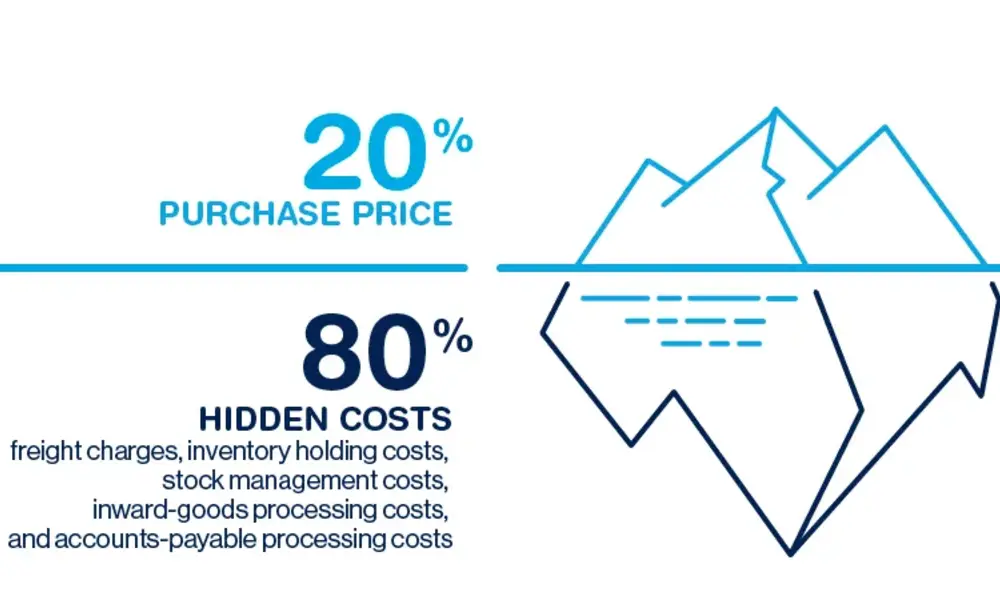
The private jet cost in the USA involves far more than the sticker price. A buyer must be prepared for a multi-layered financial commitment.
Initial Purchase Cost
Acquisition costs vary wildly by category. Light jets generally range from $2M to $10M, midsize jets fall between $12M and $25M, while ultra-long-range models can reach $75M or more.
Ongoing Expenses
Fixed Costs: These remain constant regardless of flight hours. They include crew salaries, benefits, recurrent training, hangarage, and comprehensive insurance.
Variable Costs: These are consumption-based, including fuel, landing fees, and “per-hour” maintenance programs for engines (such as Rolls-Royce CorporateCare or Honeywell MSP).
Management Fees: Most owners hire a professional management company to handle logistics, which adds a monthly retainer but ensures regulatory compliance.
Step-by-Step: How to Buy a Private Jet
Define Your Mission
Analyze your “90% mission.” If the majority of your flights are regional (e.g., Chicago to New York), buying a heavy jet is inefficient. Consider passenger capacity, runway requirements of your frequent airports, and required range.
Set a Realistic Budget
Your budget should account for the “Ready-to-Fly” price. This includes the acquisition cost plus immediate upgrades (such as high-speed Wi-Fi) and a reserve for the first year of operations. Financing via aviation-specific lenders is a common alternative to cash purchases to preserve liquidity.
Choose Ownership Model
Decide if the aircraft will be operated under Part 91 (strictly private) or Part 135 (allowing the aircraft to be chartered out). Chartering out your jet can offset fixed costs but increases wear and tear.
Build Your Expert Team
A successful acquisition requires four key pillars:
Aviation Broker: To source off-market aircraft and negotiate price.
Aviation Attorney: To handle FAA filings and the Cape Town Convention.
Tax Advisor: To navigate depreciation and state sales tax exemptions.
Management Company: To oversee daily operations post-sale.
Types of Private Jets You Can Buy
Understanding the categories is essential for matching the aircraft to your needs:
Light Jets: Ideal for short regional hops with 6-7 passengers.
Midsize Jets: Offer stand-up cabins and the range for transcontinental travel.
Large & Ultra-Long-Range: Designed for global missions with full galleys and sleeping quarters.
New vs. Pre-owned: New aircraft offer full warranties and the latest avionics, while pre-owned aircraft offer a lower entry price but may require immediate interior or mechanical capital expenditure.
Private Jet Purchase Checklist
A rigorous jet purchase checklist protects the buyer from “hidden” mechanical or legal liabilities:
Verify the aircraft’s “Back-to-Birth” maintenance history.
Conduct a title search to ensure no outstanding liens exist.
Check the status of the engine and airframe maintenance programs.
Pre-Purchase Inspection (PPI): This is the most critical step. It must be conducted by an independent facility to identify any airworthiness issues.
Jet Ownership Tips for First-Time Buyers
Success in how to buy a private jet often comes down to these strategic tips:
The 90% Rule: Buy for your most frequent trip, not your longest trip. You can always charter a larger plane for that once-a-year transatlantic flight.
Focus on the Management Plan: An aircraft is only as good as the team maintaining it. Ensure your management partner has a strong safety record.
Consider Resale Value: Stick to popular models with high liquidity to ensure a smoother exit when it is time to upgrade.
Common Mistakes to Avoid When Buying a Private Jet
Underestimating Variable Costs: Fuel prices and unscheduled maintenance can fluctuate significantly.
Skipping Professional Inspections: A “deal” that seems too good to be true often hides a costly engine overhaul or structural corrosion.
Poor Legal Structuring: Failing to set up the correct ownership entity can lead to massive tax liabilities and FAA non-compliance.
Legal, Tax & Registration Considerations
In the USA, aircraft must be registered with the FAA. Buyers should investigate the benefits of “Bonus Depreciation” under current tax laws, which may allow for a significant write-off in the first year of ownership. Additionally, an aviation attorney will ensure the aircraft meets all Part 91 or 135 requirements, protecting your operational legality.
Conclusion
Purchasing a private aircraft is one of the most significant financial and operational commitments an individual or corporation can undertake. As this private jet buying guide has demonstrated, success in this arena is not defined by the leather upholstery or the galley configuration, but by the precision of the “mission profile.”
In 2026, the market rewards buyers who prioritize data over impulse. By understanding the true private jet cost in the USA—including the heavy tail of specialized maintenance and crew retention—you transition from a hobbyist to a strategic owner. Whether you are stepping into full ownership for the first time or pivoting to a fractional model, the goal remains the same: reclaiming your most valuable asset: time. Use the following insights to ensure your investment serves your life, rather than your life serving the aircraft.
FAQs
How much does a private jet cost in the USA?
The initial purchase price for a pre-owned light jet can start around $2 million, while new ultra-long-range models can exceed $75 million. However, the total private jet cost in the USA must include annual operating expenses, which typically range from $700,000 to $4 million depending on flight hours, fuel burn, and aircraft size.
Is it better to charter or buy a private jet?
The general industry benchmark is the 200-hour rule. If you fly fewer than 200 hours per year, chartering or jet cards are usually more cost-effective. If your mission requirements exceed 200–300 hours, the tax benefits, depreciation advantages, and operational control of ownership often outweigh the high capital expenditure.
How long does it take to buy a private jet?
A streamlined transaction can take 4 to 8 weeks, but complex deals involving international registration, custom refurbishments, or extensive pre-purchase inspections can take 3 to 6 months. Having a pre-vetted jet purchase checklist and an expert team speeds up this process significantly.
What is included in a jet purchase checklist?
A comprehensive jet purchase checklist must include a mission analysis, a title search to ensure no liens exist, a detailed review of “back-to-birth” maintenance records, and a physical pre-purchase inspection (PPI) conducted by an independent, neutral facility.