
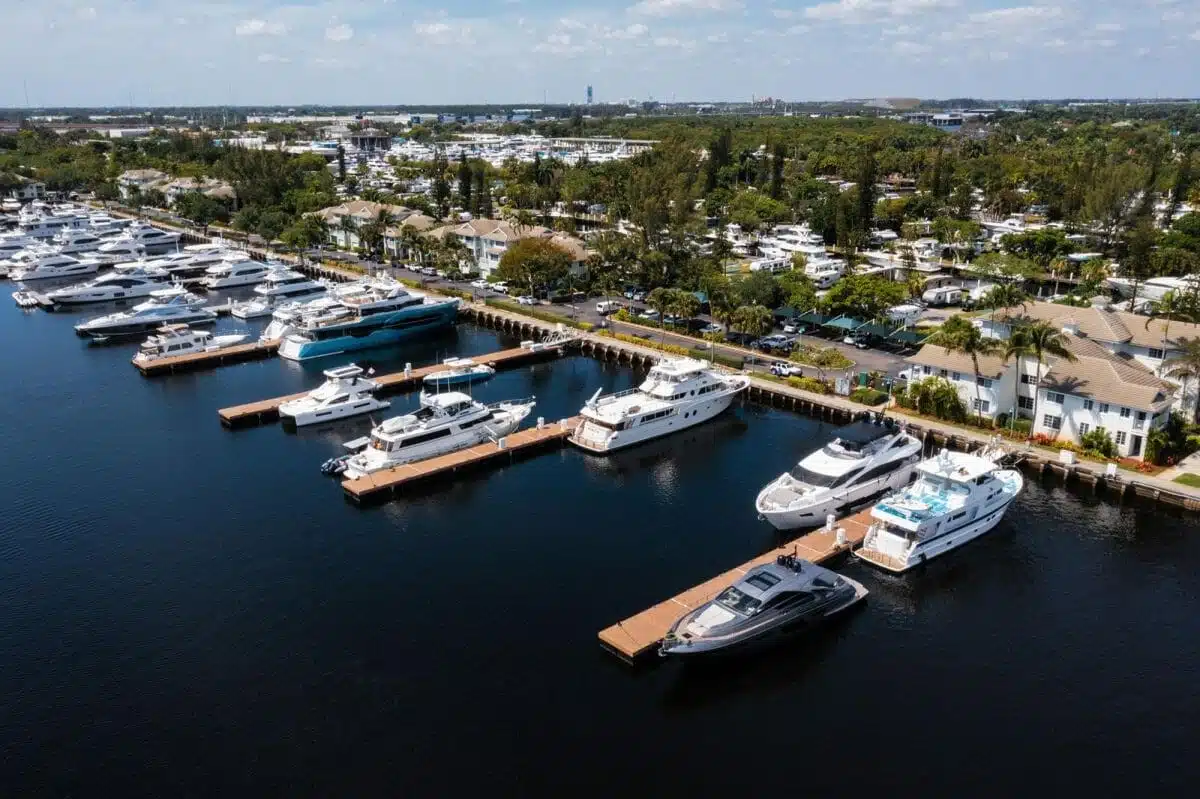
Florida’s 1,350 miles of coastline isn’t just a playground for vacationers—it is a massive, floating neighborhood. For thousands of people, the “Sunshine State” isn’t defined by a zip code on land, but by the GPS coordinates of their slip. Whether you are chasing sunsets, escaping skyrocketing rents, or seeking a minimalist digital nomad life, Florida is arguably the premier destination for boat living in the USA.
From the tropical mangroves of the Keys to the sophisticated canals of Fort Lauderdale, the options are as diverse as the vessels that inhabit them. However, finding the perfect balance between affordability and safety requires more than just a sturdy anchor. This guide breaks down the top regions, the cheapest marinas in Florida, and the practical realities of the liveaboard lifestyle in 2026.
Section 1: Is Living on a Boat in Florida Right for You?
Choosing to live on a boat in Florida sounds like a permanent vacation, but the day-to-day reality is a mix of high-end views and blue-collar maintenance.
The Pros: You wake up to dolphins, your “yard” is the Atlantic or the Gulf, and your monthly housing costs can be significantly lower than a Miami condo.
The Challenges: Space is at a premium, humidity is a constant battle against mold, and Florida’s famous summer storms require a high level of preparedness.
The Fit: This lifestyle suits those who value experiences over “stuff,” are moderately handy with a wrench, and don’t mind a 100-yard walk to the marina showers.
Section 2: What to Know Before Choosing a Marina in Florida
Not all marinas are created equal. Before you sail into a new home, you must understand the distinction between a transient slip (short-term) and a liveaboard slip (long-term residency).
Key Considerations:
Amenities: At a minimum, look for shore power, fresh water, Wi-Fi, and a “pump-out” station for your waste tank.
Regulations: Some Florida municipalities have strict “anchoring out” laws. Living in a designated Florida marina liveaboard community offers more legal protection and stability.
Safety: Evaluate the marina’s “hurricane hole” status. Is it tucked away from open water, or is it exposed to a 10-foot surge?
Section 3: Fort Lauderdale — The Liveaboard Capital
Often called the “Venice of America,” Fort Lauderdale boasts an incredible 165 miles of inland waterways. It is the heart of the boat living USA scene, offering everything from world-class repair yards to upscale marina communities.
Average Slip Cost: $1,200–$2,200/month.
The Vibe: High-energy, social, and very boat-centric.
Safety: Excellent infrastructure and maritime services, though traffic in the canals can be hectic.
Section 4: Key West — Laid-Back Edge of the Country
Key West is the ultimate dream for many liveaboards, but it comes with a price. While land-based housing is astronomical, a boat offers a slightly more accessible entry point to island life.
The Draw: Year-round tropical weather and a tight-knit, eccentric community.
The Reality: Hurricane risk is high, and many marinas have years-long waitlists for permanent liveaboard slips. It’s often easier to find a spot in Stock Island, just north of the main city.

Section 5: St. Petersburg — Affordable Gulf Coast Gem
If you’re looking for the cheapest marinas in Florida without sacrificing safety or amenities, St. Pete is the winner. The Municipal Marina is one of the best-managed facilities in the state.
Average Slip Cost: $700–$1,300/month.
The Perks: You’re steps away from a vibrant downtown with world-class museums and breweries. The Gulf side generally offers calmer waters for those new to boat living.
Section 6: Sarasota & Jacksonville — The Practical Choices
Sarasota: A quiet, safe, and sophisticated option for those who want a slower pace and excellent storm protection in the Sarasota Bay.
Jacksonville (Northeast FL): This is the budget-friendly king. Because it is further north, the climate is less tropical, but the lead generation cost of living is much lower. It’s an ideal spot for those who want easy access to the Intracoastal Waterway.
Section 7: Cost Breakdown — What It Actually Costs
Living on the water is cheaper than land, but it isn’t “free.”
Monthly Slip Fees: $600 (Jacksonville) to $2,500 (Miami/Keys).
Maintenance: Budget 10% of your boat’s value annually.
Utilities: Many marinas meter electricity; expect to pay $50–$150 for AC in the summer.
Insurance: Can be tricky for liveaboards; expect to pay a premium for “Full Timer” coverage.
Section 8: Safety and Legal Guide
Florida takes its water seriously. To establish residency, you’ll need a “permanent” slip agreement to get a Florida driver’s license. From a safety perspective, your hurricane plan must be finalized by June 1st every year. Choose marinas with floating docks rather than fixed piers, as they rise with the storm surge, protecting your boat from being pulled underwater.
Conclusion
Florida remains the crown jewel for the live on a boat Florida lifestyle because it offers an infrastructure that no other state can match. Whether you choose the bustling canals of Fort Lauderdale or the budget-friendly docks of Jacksonville, the water offers a freedom that four walls never will.
Ready to start your journey? For more boat living calculators and marina reviews, visit us at Turboocruiser.com.
FAQs
Q1: Is it legal to live on a boat in Florida? Yes, but it is regulated. You must be in a marina that allows liveaboard status or follow specific local ordinances regarding anchoring in state waters.
Q2: What are the cheapest marinas in Florida for liveaboards? Generally, you will find the best rates in Northeast Florida (Jacksonville) and certain parts of the Panhandle. St. Petersburg also offers great value for the amenities provided.
Q3: How much does it cost to live on a boat in Florida monthly? A modest liveaboard lifestyle (35-foot boat) typically costs between $1,500 and $3,000 per month, including slip fees, insurance, and a maintenance fund.
Q4: Are Florida marinas safe during hurricanes? Safety varies. Look for “Hurricane Holes”—marinas located deep in protected canals or behind mangroves. Marinas with floating docks and tall pilings are generally the safest.
Q5: Can I work remotely while living on a boat in Florida? Absolutely. With the rise of Starlink and improved marina Wi-Fi, many Florida liveaboards are successful digital nomads and remote professionals.