
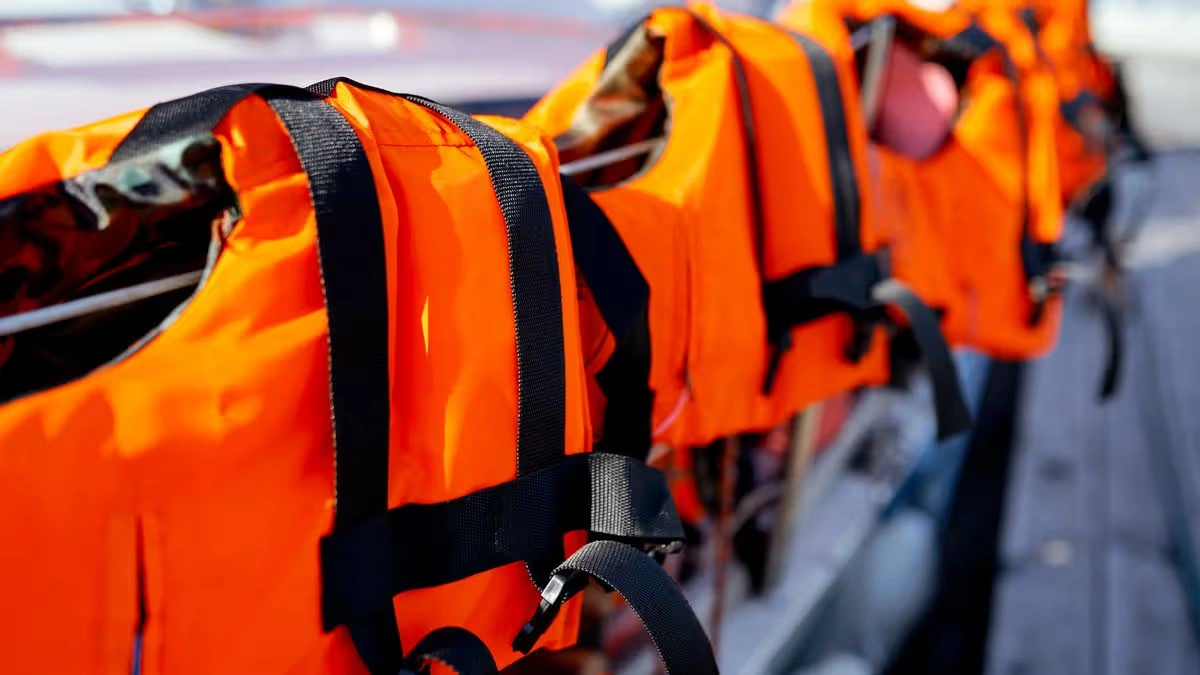
Whether you are cruising on a pontoon, paddling a kayak, or heading offshore for ocean fishing, selecting the right personal flotation device (PFD) is the most crucial decision you can make on the water. A boating life vest only works if you wear it, and comfort plays a massive role in whether that life jacket stays on or sits stowed away in a locker.
The marine safety industry has undergone significant updates. The U.S. Coast Guard (USCG), alongside Transport Canada and international standardization bodies (UL 12402), has fully integrated a modern Performance Level rating system. Understanding how these newer level ratings align with legacy life jacket types ensures that your boat remains legally compliant while giving you optimal protection for your specific water activities.
This comprehensive PFD guide walks you through the regulatory updates, vest styles, sizing principles, and vessel-specific recommendations to keep you safe and comfortable on every voyage.
Understanding USCG PFD Ratings: Legacy Types vs. Modern Performance Levels
For decades, recreational boaters relied on the traditional “Type I through Type V” system. While millions of legacy Type-rated vests remain completely legal to use as long as they are serviceable and USCG-approved, new life jackets hitting marine shelves use streamlined performance levels measured in Newtons (N) of buoyancy.
Legacy Classifications (Types I–V)
Type I (Offshore Life Jacket): Provides maximum inherent buoyancy (at least 22 lbs). Engineered for open ocean, rough seas, or remote areas where rescue might be delayed. It is designed to turn most unconscious wearers face-up in the water.
Type II (Near-Shore Buoyant Vest): Intended for calm inland or near-shore waters where quick rescue is expected. Offers around 15.5 lbs of buoyancy and can turn some unconscious wearers face-up.
Type III (Flotation Aid): The classic watersports and paddling vest. Designed for active movement in calm waters. It offers freedom of motion but will not reliably turn an unconscious swimmer face-up.
Type IV (Throwable Device): Non-wearable safety gear including ring buoys and boat cushions designed to be tossed to a person overboard.
Type V (Special-Use Device): Activity-specific PFDs, such as commercial whitewater vests, board-sailing harnesses, or specific inflatable belt packs, approved only when worn according to label directions.
Modern Performance Level System (UL 12402 Harmonized Standard)
The new labeling uses clear performance level numbers based on metric buoyancy force measured in Newtons.
Level 50: Low-profile buoyancy aids designed strictly for confident swimmers in sheltered, near-shore waters or active sports (kayaking, SUP, wakeboarding). Note: Level 50 PFDs must be worn continuously to meet legal carriage requirements.
Level 70: The standard replacement for legacy Type III vests. Delivers ~15.7 lbs (70N) of buoyancy. Ideal for general recreational boating, personal watercraft (PWCs), and inland fishing.
Level 100: Designed for coastal waters or rougher conditions where you might have to wait for rescue. Provides turning capability to keep wearers face-up in calm water.
Level 150 / Level 275: High-buoyancy offshore vests (often inflatable) engineered for open ocean navigation, foul weather gear, and rough seas where unconscious turning is critical.
PFD Selection Matrix by Boat Type and Activity
Not all life jackets perform well across every boating discipline. Matching the mechanical features of your PFD to your specific vessel ensures both mobility and safety.
| Boat / Activity Type | Recommended PFD Rating | Ideal Style / Construction | Key Features to Look For |
| Pontoon & Runabouts | Level 70 / Type III | Inherent Foam or Inflatable | Mesh back for high-back seating, large armholes, front zip. |
| Personal Watercraft (PWC) | Level 70 / Type III | Heavy-Duty Neoprene or Nylon | 3 to 4 heavy-duty webbed buckles, high impact rating, snug fit. |
| Kayaks, Canoes & SUPs | Level 50 / Level 70 / Type III | High-Back Foam or Waist Belt Inflatable | High mesh back, wide arm clearance, low-profile cut. |
| Offshore Cruising & Fishing | Level 150 / Type I | Automatic Inflatable | Integrated safety harness, whistle, PLB pocket, spray hood. |
| Sailing & Regattas | Level 70 / Level 150 Inflatable | Low-Profile Ergonomic Harness | Manual/Auto pull cord, reflective strips, unhindered shoulder movement. |
Inherent Foam vs. Inflatable PFDs: Which Is Best?
When shopping for the best boating life vest, you will choose between traditional foam flotation and air-filled inflatable models.
Inherent Foam Vests
Foam PFDs use closed-cell plastic foam (such as PVC or GA-EVA) trapped inside a nylon or neoprene shell. They require zero setup and provide instant flotation the moment you hit the water.
Best for: Water-skiing, tubing, jet-skiing, paddle sports, non-swimmers, and all children.
Pros: Indestructible, low cost, buoyant without human intervention.
Cons: Bulkier than inflatables, can trap body heat during warm summer days.
Inflatable Life Vests
Inflatable PFDs rely on compressed CO2 gas cartridges to fill an internal bladder upon manual pull or automatic water immersion.
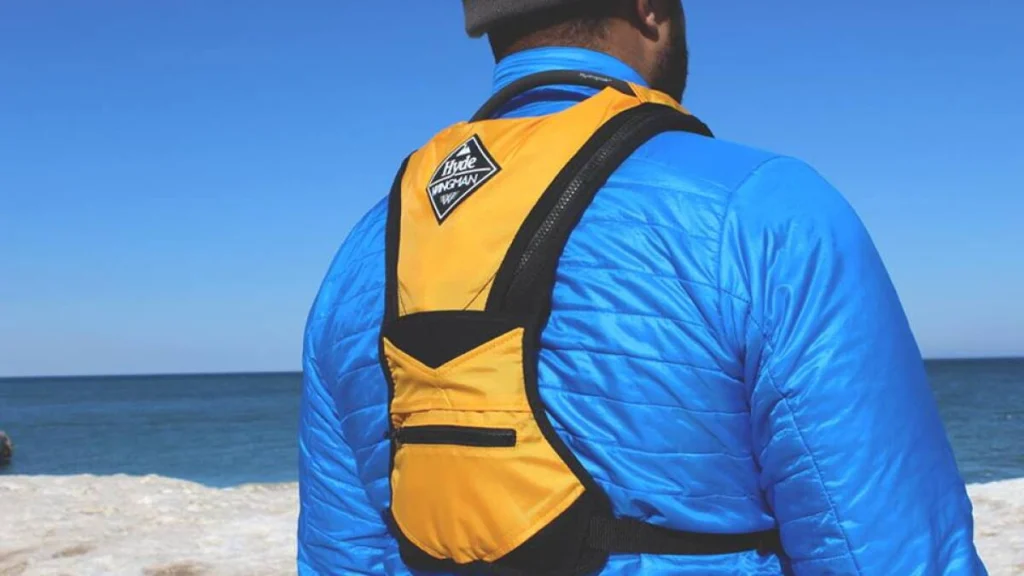
Manual Activation: Inflates only when you pull an activation cord. Ideal for kayaking or SUP where you expect to splash or fall in frequently without needing full deployment.
Automatic Activation (Dissolving Bobbin or Hydrostatic Pressure): Inflates automatically when submerged in water. Hydrostatic models (MA1) respond to water pressure rather than dampness, making them superior for heavy rain and ocean spray.
Best for: Coastal sailors, offshore powerboaters, warm-weather anglers, and adult boaters who want maximum comfort.
Cons: Not legal for high-speed impact sports (jet skis, wakeboarding); requires routine maintenance and CO2 cylinder re-arming.
Critical Sizing, Fit, and Maintenance Rules
Buying a top-tier vest will not protect you if it fits poorly or fails due to lack of care.
How to Fit an Adult PFD Properly
Size by Chest, Not Weight: Unlike child life jackets, adult PFD sizing is determined by chest measurement at the widest point.
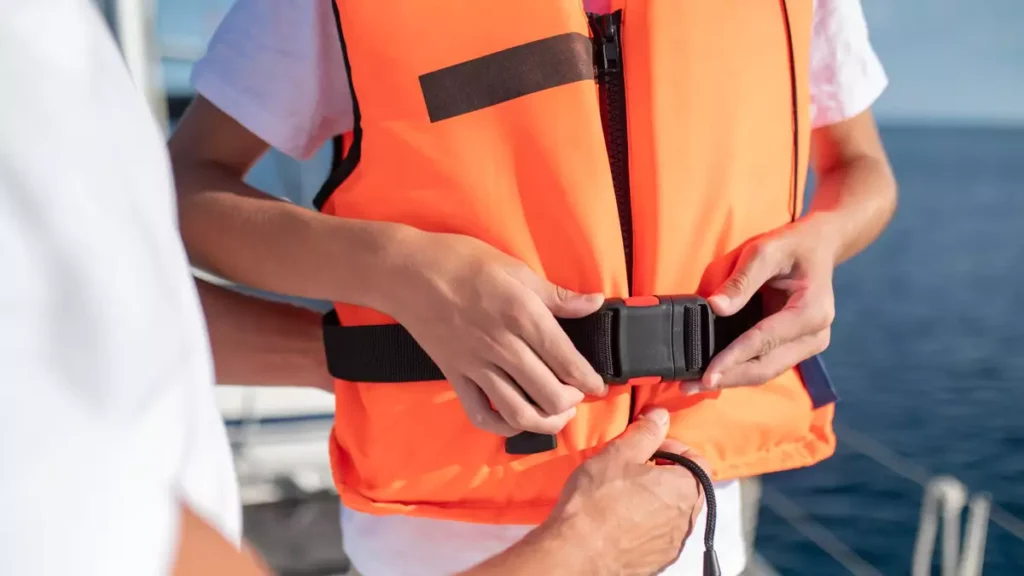
Loosen All Straps First: Put on the vest, zip the front closure, and tighten straps from the waist up to the shoulders.
The Overhead Tug Test: Have someone grab the shoulder straps of your vest and pull upward firmly. If the vest slides up past your nose, chin, or ears, it is too loose or too large.
Mobility Check: Sit down and simulate your boating activity (rowing, steering, paddling) to verify there is no chafing under the armpits.
Child Life Jacket Safety Rules
Children require specialized vests featuring safety enhancements:
Infant (8–30 lbs): Must feature a padded head-support collar to keep the head upright and a secure crotch strap to prevent the vest from slipping over the head.
Child (30–50 lbs): Includes crotch straps and grab handles for quick retrieval from the water.
Youth (50–90 lbs): Transition sizes tailored to youth body profiles.
Essential Boating Safety Regulations and Carriage Laws
To avoid steep fines and maintain proper boating safety, keep these federal laws in mind:
One-to-One Ratio: Every recreational vessel must carry at least one wearable, USCG-approved PFD in serviceable condition for every person on board.
Accessibility: Life jackets must be readily accessible. Stowing them inside locked compartments, plastic wrapping, or under heavy gear violates federal regulations.
Throwable Requirement: Vessels 16 feet and longer (except canoes and kayaks) must carry at least one Type IV throwable device immediately available on deck.
Child Wear Laws: Federal regulations require children under 13 years of age to wear a properly fitted USCG-approved PFD while underway on an open deck, unless anchored or inside an enclosed cabin. Always check local state laws, as state age thresholds can be stricter.
Serviceability Rules: A torn shell, broken buckle, or expired CO2 indicator renders a life jacket legally void during a Coast Guard inspection.
Final Thoughts on Choosing the Right PFD
Investing in the right boating life vest is an investment in peace of mind every time you cast off. By choosing a device that matches your vessel type, water conditions, and body frame—whether it is a legacy Type III vest or a modern UL 12402 Level 70 inflatable you ensure that safety gear stays where it belongs: securely worn throughout your day on the water.
For more marine gear reviews, safety tips, and vessel buying guides, check out our latest articles on turboocruiser.
Frequently Asked Questions
Are my older Type III life jackets still legal to use?
Yes. Existing USCG-approved Type I through Type V life jackets remain fully legal as long as they are in good, serviceable condition without tears, broken hardware, or degraded foam.
What is the difference between Level 70 and Level 100 life jackets?
Level 70 is designed for near-shore, calm water activities where rescue is nearby (similar to Type III). Level 100 provides extra buoyancy for rougher or coastal waters and has turning capability to keep an unconscious person face-up.
Can children wear inflatable life vests?
No. Inflatable PFDs are not approved for children under 16 years old. Children should always wear inherently buoyant foam life jackets appropriate for their weight category.
How do I store and clean my boating life vest?
Rinse your PFDs with fresh water after every outing, especially following saltwater use. Hang them to air-dry in a shaded, well-ventilated area away from direct sunlight. Store them in a cool, dry place aboard your boat or at home never store them wet inside a closed locker.