
The global luxury marine market is experiencing a massive shift in how owners want to spend their time on the water. Meanwhile, the traditional lifestyle of sun-drenched coastal cruising in the Mediterranean still holds immense appeal. However, a brand-new generation of remote travellers is looking toward the absolute edges of the map. In this comprehensive expedition yacht review, we break down the absolute best expedition yachts 2026 has to offer for brave souls who want to cross oceans in absolute comfort.
Consequently, the definition of modern luxury has fundamentally changed. Today, the ultimate status symbol is no longer just high-gloss lacquer or gold-plated fixtures. Instead, true luxury means total autonomy. It represents the raw ability to sail completely off the grid for months at a time without sacrificing five-star comfort. Furthermore, based on available market data and design trends, the top explorer yacht 2026 models no longer look like industrial, utilitarian commercial fishing trawlers. On the contrary, the modern marine industry successfully marries ice-class steel hulls and heavy-duty transoceanic engineering with panoramic master suites, luxury onboard spas, and advanced green technology.
If you appreciate cutting-edge maritime engineering paired with the unyielding spirit of discovery, the current class of long-range vessels represents a true golden age of yachting.
What Makes a True Go-Anywhere Yacht?
Before looking at the top vessels dominating the market this year, it is vital to understand exactly what separates a genuine go anywhere yacht from a standard white boat that simply looks rugged. Many production builders add chunky lines and dark gray paint to their vessels. They do this simply to capitalize on the adventure trend. However, true exploration capability is bred deep within the naval architecture.
Therefore, a genuine, ocean-conquering best adventure yacht must possess specific engineering traits to handle unpredictable blue-water conditions safely.
1. Autonomous Transoceanic Range
A standard flybridge motor yacht is built to run from marina to marina. Typically, these vessels carry enough fuel for 300 to 500 nautical miles. A dedicated explorer completely blows these figures out of the water. These vessels feature massive, deeply integrated fuel tanks combined with ultra-efficient, heavy-duty displacement hulls. As a result, they can cruise continuously for 3,000 to over 6,000 nautical miles without needing to stop for fuel or provisions. This incredible range makes a transatlantic or transpacific crossing a routine task.
2. Ice-Class Hull Certification
Venturing into high-latitude destinations like Antarctica, Greenland, or the Northwest Passage requires an incredibly tough shell. For this reason, builders construct true explorers with reinforced steel or specialized aluminum hulls. The bow sections feature significantly thicker metal plating and tighter internal framing. This structural reinforcement ensures the vessel can safely push through loose pack ice and growlers without risking structural failure.
3. Massive Toy and Tender Storage
When you anchor in a remote fjord in Alaska, the yacht acts as your primary base camp. To explore the surrounding environment, you need specialized equipment. Therefore, true explorers feature massive aft decks, heavy-lift cranes, and deep tender garages. These spaces easily carry commercial-grade landing craft, personal submersibles, helicopters, jet skis, kayaks, and full sets of scientific diving gear.
4. Advanced Redundancy and Stabilization
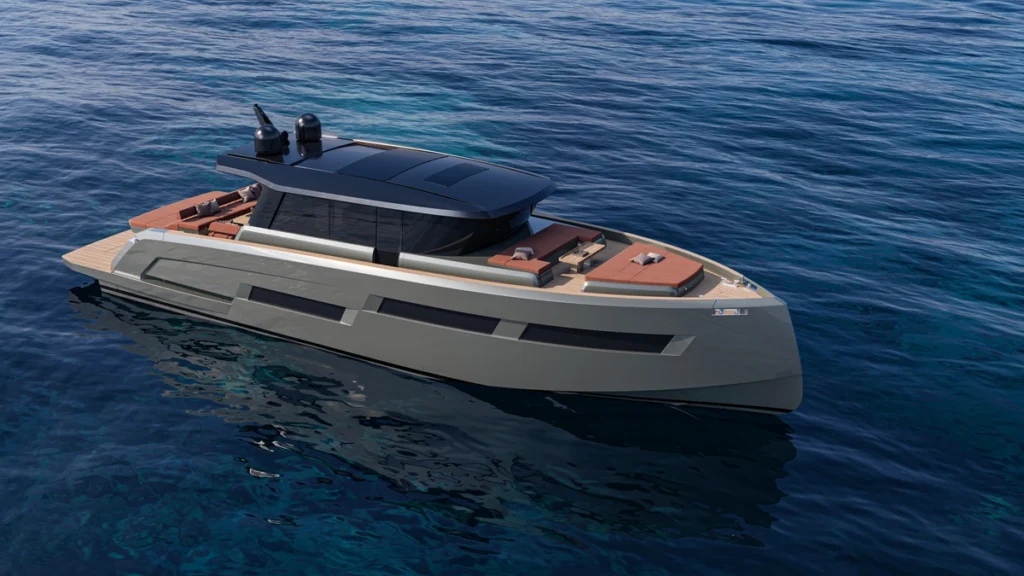
When you are thousands of miles away from the nearest marine service center, equipment failure is not an option. For safety, true expedition vessels feature complete redundancy across all critical systems. This means they carry twin engines, dual generators, duplicate watermakers, and independent steering systems. Furthermore, they utilize heavy-duty zero-speed stabilizers or massive active fins to keep the vessel completely steady in rough, open-ocean swells.
The Top Explorer Yacht 2026 Debuts and Innovations
The current market boasts an incredible lineup of newly delivered vessels and fresh concepts designed to push boundaries. Specifically, the following prominent vessels represent the absolute peak of design, capability, and luxury for anyone browsing an expedition yacht for sale this season.
Cheoy Lee 130 Explorer
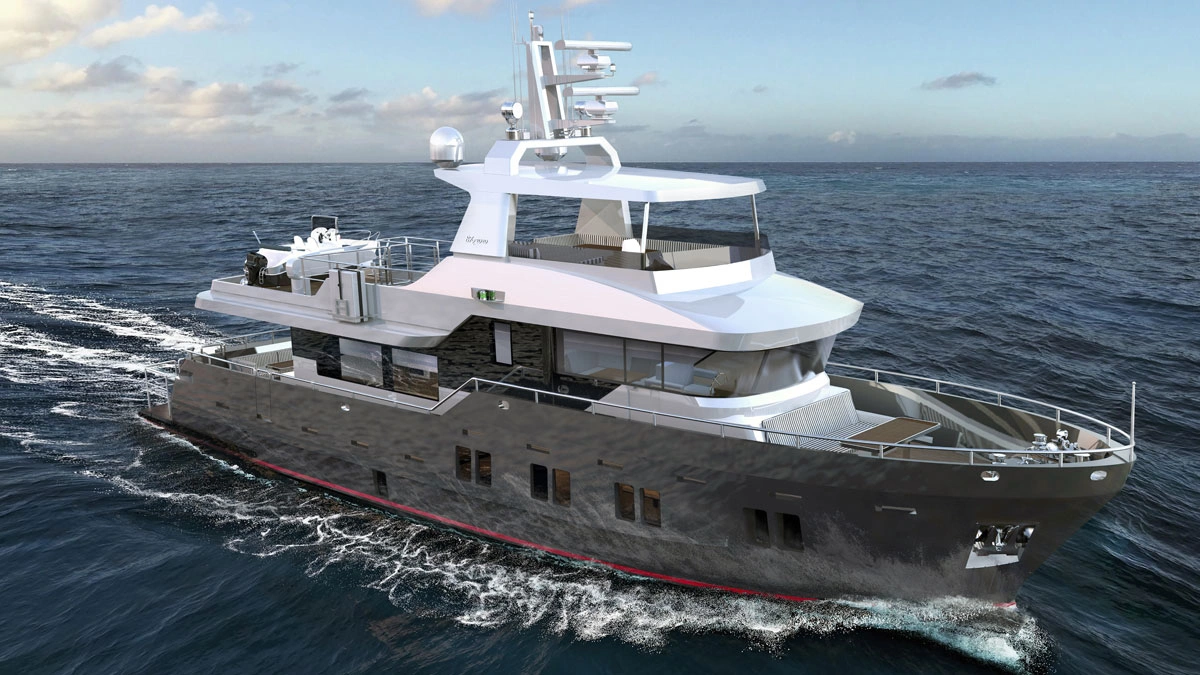
Making a massive splash at recent global boat shows, the newly delivered Cheoy Lee 130 Explorer proves that pocket superyachts can handle serious global cruising. While many explorers require a length of 50 meters or more to be effective, this 39.6-meter vessel packs immense capability into a highly manageable footprint.
The interior features hand-built custom cabinetry by Genesis Interiors in Italy. This choice blends fine craftsmanship, rich leathers, and soft textiles with an incredibly robust steel hull engineered by Nick Boksa. Because it relies on reliable twin Caterpillar engines, it serves owners who want commercial-grade reliability wrapped in highly refined luxury. Consequently, it stands out as an excellent choice for family adventures.
Sunreef 45M Explorer
For adventurers who prefer the incredible stability and immense interior volume of a multi-hull design, this 131-foot power catamaran is a total game-changer. Moving away from traditional single-hull designs, Sunreef utilizes a massive 43-foot beam to offer unmatched outdoor living spaces. Additionally, they included an ultra-luxurious beach club that folds out directly over the water.
Because catamarans have significantly less drag than traditional displacement hulls, this vessel offers incredible fuel efficiency. Furthermore, the builder offers a highly advanced eco-version utilizing diesel-electric propulsion. This allows for silent, zero-emission cruising through protected marine sanctuaries and sensitive coastal ecosystems.
Amer 42 Explorer (Even Further)
Delivered to her experienced owner for the current season, the first unit in the Amer 42 Explorer line highlights the growing trend of custom steel builds. The legendary Luiz de Basto designed this 41.5-meter masterpiece inside and out. It offers an incredibly efficient hull shape paired with massive structural windows that flood the main living spaces with natural light.
The vessel features an innovative green waste management system and high-efficiency water filtration systems. Thus, the crew can operate for weeks without leaving a trace behind. Additionally, the interior layout places a huge emphasis on wellness, featuring a fully equipped panoramic gym and a wellness spa on the upper deck.
RMK Livia 50
Standing as a pinnacle of custom northern European style, the RMK Livia 50 is a sub-500 gross tonnage superyacht built for unrestricted global navigation. This vessel stands out due to its incredible bridge deck layout. It offers a 360-degree view of the horizon for the captain and guests alike.
The aft deck is exceptionally long, designed specifically to carry a custom 7.5-meter rugged tender alongside a personal three-person submarine. When the crew launches the toys via the heavy-duty crane, the entire aft deck transforms into a massive, open-air beach club. It even includes a flush-mounted swimming pool and drop-down bulwarks.
Technical Comparison of the Top 2026 Adventurers
To help you analyze the current market options, we have compiled a detailed breakdown of estimated specifications for the leading explorer classes available this year:
| Yacht Model | Length Overall (LOA) | Hull Material | Cruising Range | Standout Lifestyle Feature |
| Cheoy Lee 130 Explorer | 39.6 Meters (130 ft) | Heavy Steel / Composite | ~4,000 Nautical Miles | Commercial-grade outfitting with Italian interior joinery |
| Sunreef 45M Explorer | 45.0 Meters (147 ft) | Advanced Composite | ~3,500 Nautical Miles | Massive 43.6-foot beam with twin MAN V12 power and eco-solar skin |
| Amer 42 Explorer | 41.5 Meters (136 ft) | Custom Marine Steel | ~4,200 Nautical Miles | Ultra-efficient hull design by Luiz de Basto with panoramic upper gym |
| RMK Livia 50 | 50.0 Meters (164 ft) | Steel / Aluminum | ~4,500 Nautical Miles | Sub-500 GT layout featuring a flush-mounted aft swimming pool |
The Green Revolution in Remote Cruising
Sustainability is no longer just an optional luxury or a marketing buzzword in the explorer market. Instead, it has become an absolute necessity. Industry data indicates that a significant percentage of new long-range builds are shifting toward eco-conscious technologies. Owners want to protect the pristine, untouched environments they visit. For example, if you sail to Antarctica to witness the glaciers, you do not want to leave a cloud of heavy diesel smoke in your wake.
Hybrid Propulsion Systems
Shipyards like RMK Yachts and Sunreef integrate advanced diesel-electric powertrains into their flagship builds right from the initial engineering phase. These sophisticated setups allow owners to cruise silently into sensitive eco-zones using pure electric power. Consequently, this eliminates underwater noise pollution, which can disturb local marine mammal populations like whales and dolphins. At the same time, it reduces local emissions.
Smart Energy Management and Solar Integration
Modern vessels adopt high-efficiency HVAC climate control systems, waste-heat recycling loops, and expansive solar panel arrays. Sunreef, for instance, integrates solar cells directly into the composite skin of the hull and superstructure. By utilizing solar energy to power basic hotel loads like lighting, entertainment systems, and refrigeration, these yachts can stay at anchor for weeks. As a result, they never need to turn over their main diesel generators.
Space Distribution: Designed for Extended Living
Living on board a vessel for months at a time requires a complete rethink of traditional interior layouts. When you cannot simply pull up to a dock to stretch your legs, the yacht must provide distinct zones. These zones prevent guests from feeling restricted or crowded.
The Forward Observation Lounges
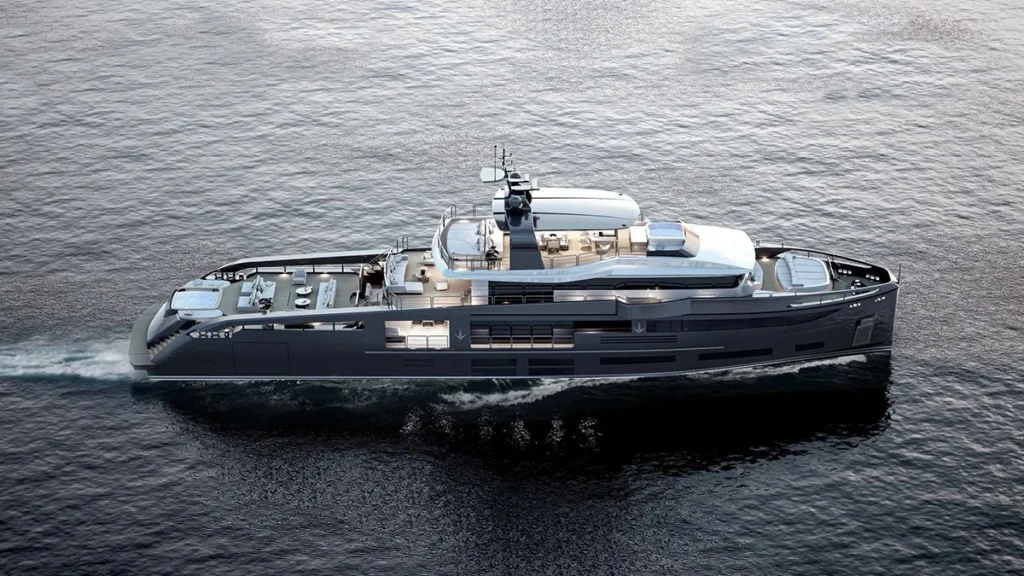
One of the most notable layout features found on the modern explorer yacht 2026 lineup is the forward-facing observation lounge. Unlike traditional yachts where the bow is reserved solely for sun pads, explorers utilize this high-up, forward position to create enclosed, climate-controlled lounges with floor-to-ceiling glass windows. Therefore, guests can sit in absolute comfort with a warm drink while watching icebergs or wildlife pass by, completely protected from cold winds or spraying sea water.
Enhanced Crew Accommodations
A successful expedition relies heavily on the safety, morale, and efficiency of the professional crew. Because these voyages are long and demanding, modern explorer designs place a huge emphasis on crew comfort. For example, you will find larger crew messes, separate double cabins for senior officers, high-speed satellite internet connectivity, and dedicated crew rest zones. When the crew is well-rested and happy, the overall safety and execution of the remote itinerary improve dramatically.
Summary: Choosing Your Ultimate Freedom Platform
In conclusion, the current year marks a true golden age for experiential travel on the open water. The market has moved past the era where you had to choose between a rugged commercial vessel or a fragile summer cruiser. Whether you choose the immense beam and stability of a Sunreef catamaran, the pocket-sized efficiency of a Cheoy Lee, or the traditional steel security of a custom RMK superyacht, investing in an explorer means choosing total, unrestricted freedom.
Ultimately, the best vessels in this class successfully marry ocean-conquering naval architecture with the beautiful, bespoke finishes expected of a world-class penthouse apartment. They allow you to write your own maps, escape the crowds, and experience the world entirely on your own terms.
If you are ready to explore more comprehensive luxury vessel analysis, performance reviews, and high-end automotive or marine engineering news, make sure to visit our main digital hub over at turboocruiser.
Frequently Asked Questions
What is the primary difference between a traditional motor yacht and an explorer yacht?
Traditional motor yachts are built primarily for speed, warm-weather relaxation, and coastal cruising from marina to marina. On the other hand, explorer yachts feature heavy-duty steel or reinforced aluminum hulls, massive fuel capacities for transoceanic range, and specialized storage for heavy adventure gear. This engineering allows them to tackle rough seas, high winds, and freezing climates safely and autonomously.
How much does a quality expedition yacht for sale cost in 2026?
Based on current market data, a quality pocket explorer yacht between 80 and 140 feet typically ranges from $3,000,000 to $15,000,000 USD depending on age and condition. However, fully custom, steel-hulled superyacht explorers over 50 meters can easily exceed $40,000,000 USD depending on the custom interior options, hybrid propulsion upgrades, and specialized toy inventories.
Do explorer yachts require a larger or more specialized crew?
Yes, they do. Because of the remote nature of their voyages and the complex onboard equipment like submersibles, landing craft, and advanced water treatment plants, these vessels generally require a highly trained crew. For instance, a typical 40-meter explorer will carry anywhere from 6 to 8 professional crew members, including engineers with commercial-grade certifications, to ensure safe operations far away from shore support.
Can a modern explorer yacht navigate polar regions safely?
Only if the vessel has been built with an official, verified ice-class hull certification. This specific structural designation ensures that the naval architects heavily reinforced the steel hull plating, internal framing, rudder posts, and propeller shafts. As a result, the yacht can withstand direct impacts with small floating icebergs and thick pack ice without puncturing or warping.