
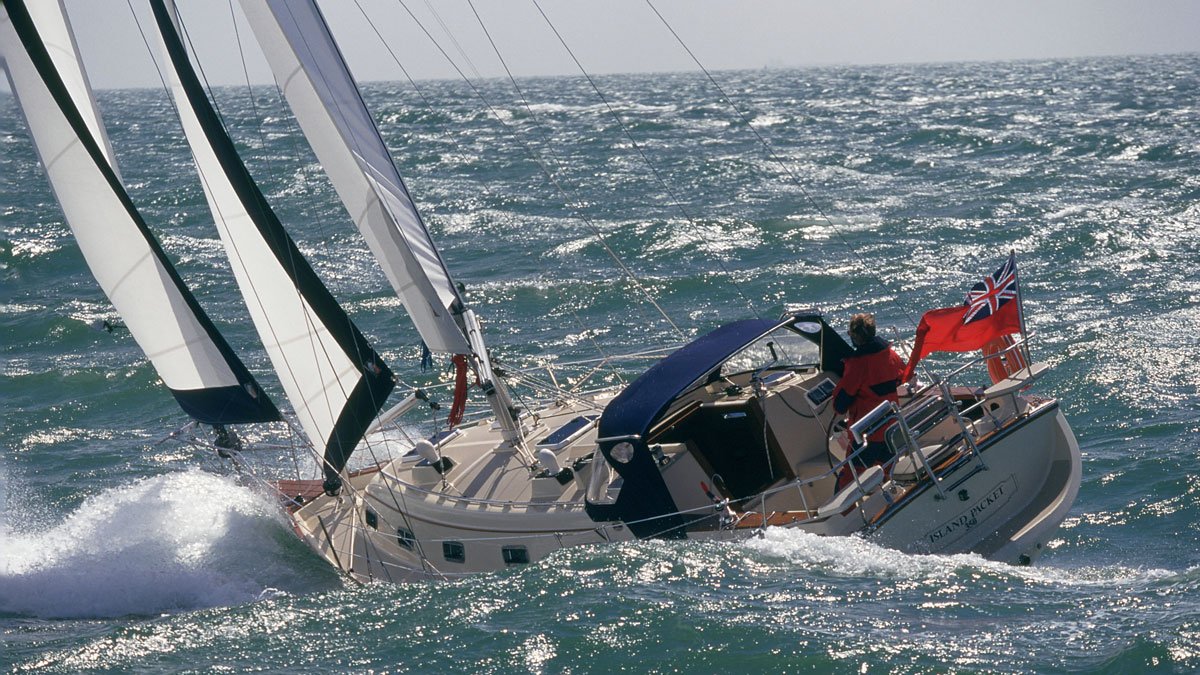
The concept of leaving the daily corporate grind behind has evolved dramatically over the last few years. Today, thousands of people are no longer just dreaming about a different life while staring at their office computers. Instead, an increasing number of modern partners are choosing to completely trade their suburban mortgages and city apartments for the freedom of the open ocean. Choosing a liveaboard sailing life represents the ultimate modern escape, turning the entire planet into your personal front yard.
The short answer is that the transition is entirely achievable and deeply rewarding, provided you prepare for the practical realities. If you have ever wondered whether regular couples can successfully sell their belongings, buy a boat, and manage a home on the water, the answer is a resounding yes. However, this is not a permanent, effortless tropical vacation. Consequently, surviving as a liveaboard couple requires a precise mix of mechanical self-sufficiency, excellent communication skills, and a highly realistic understanding of maritime finances.
In this comprehensive 2026 blueprint, we will analyze exactly how modern duos are successfully making the leap. We will look at real world operational costs, essential boat features, and the lifestyle adjustments required to thrive at sea.
Why Couples Are Choosing to Quit Job to Sail in 2026
The motivation to walk away from traditional career tracks has shifted significantly. In the past, heading off into the sunset was a lifestyle reserved almost exclusively for wealthy retirees or highly eccentric solo adventurers. Currently, the widespread normalization of Starlink satellite internet and flexible digital employment has opened the door for younger professionals to pull up stakes.
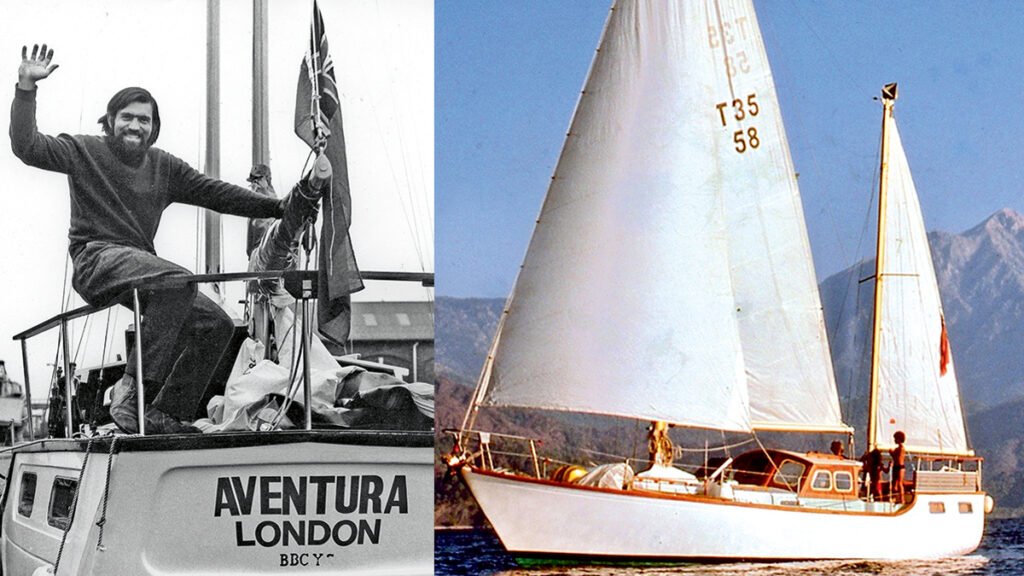
When you decide to quit job to sail, you are not necessarily leaving the workforce forever. Many modern maritime duos operate as remote consultants, software engineers, content creators, or freelance designers right from their companionway stairs. The ability to pull a high-speed internet signal from a remote anchorage in the Bahamas has completely redefined what it means to be a working professional.
Furthermore, the desire to escape skyrocketing urban rental prices and chaotic housing markets is a massive driving factor. Instead of paying off a massive bank loan for a static piece of property, couples are reinvesting their capital into a mobile, self-sustaining asset that they fully own.
Selecting the Ideal Liveaboard Sailboat
Your choice of vessel will completely dictate your comfort, safety, and overall happiness on the water. A boat that makes a fantastic weekend racer is often an absolute nightmare to live on full-time. When you are looking for a long-term liveaboard sailboat, you must prioritize storage, tankage capacity, and living space over pure racing speed. The same principles that guide luxury yacht interior design smart storage, marine-grade materials, and multi-use furniture apply directly to making a compact liveaboard sailboat feel like a real home.
The market generally splits into two major categories: traditional monohulls and modern sailing catamarans. Each design features distinct advantages that you must weigh carefully against your personal sailing goals and cruising grounds.
Monohulls vs. Catamarans: The Liveaboard Debate
Sailing Catamarans: Multihulls are currently the most popular format for full-time ocean living. They offer incredible stability at anchor, sprawling main-deck salons with panoramic windows, and separate hulls that provide excellent privacy. Brands like Lagoon, Leopard, and Fountaine Pajot are highly favored by cruising duos for their residential layouts.
Cruising Monohulls: Traditional single-hulled boats like a Beneteau, Catalina, or Jeanneau offer a much more classic sailing experience and superior offshore performance in heavy weather. They are significantly cheaper to purchase and carry much lower monthly dockage fees at commercial marinas.
Unpacking the Reality of Sailing the World Cost
One of the most dangerous myths circulating on social media is that living on the ocean is virtually free because the wind is completely free. While you can certainly save massive amounts of money by avoiding traditional utility bills, a boat is a complex machine operating in a highly corrosive saltwater environment. This is exactly why more experienced sailors are timing their purchase carefully used superyacht and larger vessel prices have actually been falling in 2026, creating a rare window for buyers who understand true operating costs
To ensure your dream does not collapse due to poor financial planning, you need to analyze a realistic operational budget. Based on available data from experienced cruisers in the 2026 season, monthly expenses vary wildly depending on whether you prefer luxury docks or remote anchorages.
Estimated Monthly Budget Breakdown for a Cruising Couple
| Expense Category | Frugal Style (Anchoring Out) | Comfortable Style (Marina Living) | What the Expense Covers |
| Boat Maintenance | $400 to $800 | $800 to $1,500 | Engine parts, rigging, sail repairs, and preventative care. |
| Mooring & Slip Fees | $50 to $150 | $600 to $1,200 | Commercial dockage, metered shore power, and water hookups. |
| Groceries & Provisions | $400 to $600 | $600 to $900 | Food supplies, fresh drinking water, and boat household items. |
| Marine Insurance | $170 to $330 | $250 to $450 | Hull coverage, liability protection, and cruising area riders. |
| Fuel (Diesel & Gas) | $50 to $200 | $50 to $150 | Auxiliary engine fuel, generator hours, and dinghy outboard gas. |
| Satellite Internet | $150 | $150 | Starlink Roam subscription for remote data connectivity. |
| Total Monthly Budget | $1,220 to $2,430 | $2,450 to $4,350+ | Overall estimated living cost for two people on board. |
As shown in the data table above, avoiding commercial marinas can easily slice your baseline budget in half. Embracing a self-sustaining cruising style means relying heavily on your ground tackle, solar arrays, and high-output watermakers rather than paying for premium shore facilities. This mirrors the broader yacht ownership world too annual running costs on vessels like a Sunseeker typically average 10 to 15 percent of the purchase price, a ratio that holds true whether you’re cruising a 40-foot sailboat or a flybridge motor yacht.
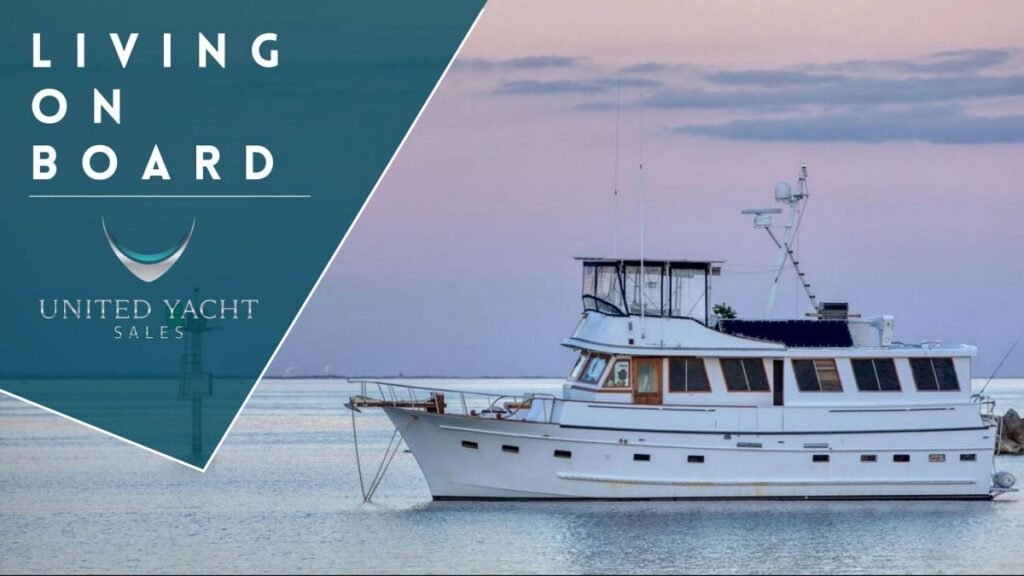
The Mental Shift of the Liveaboard Lifestyle 2026
Stepping into the liveaboard lifestyle 2026 environment requires a massive psychological adjustment. You are moving from a world of endless space and automated conveniences into a compact space where every drop of fresh water and every amp-hour of battery power must be consciously managed.
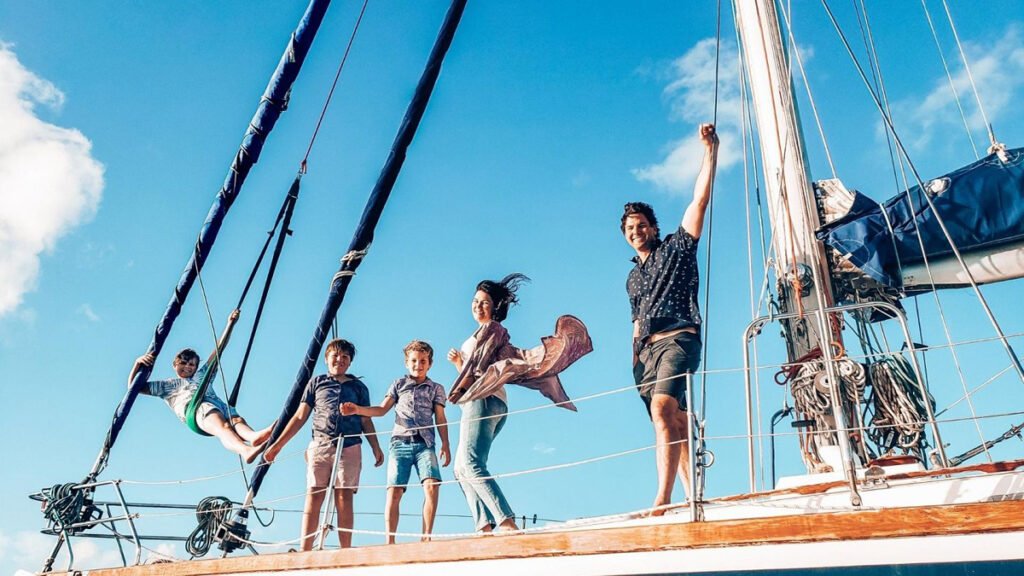
For a couple, this change can either strengthen your relationship or expose major communication cracks. You will be living together in less than 400 square feet of space, often in stressful situations like anchoring in a midnight thunderstorm or navigating tricky harbour entrances.
Mastering the Dynamic on Board
To maintain total harmony on a small vessel, successful partnerships usually establish clear boundaries and division of labor. One partner might specialize in diesel engine mechanics and electrical systems, while the other manages navigation, weather routing, and provisioning.
Furthermore, you must learn to accept that plans are always written in the sand at low tide. The ocean completely dictates your schedule. Attempting to force a boat through a dangerous storm just to make a specific weekend land commitment is a primary cause of maritime accidents. Patience is your most valuable asset.
Modern Upgrades Making Living at Sea Safer
The technological advancements available for the upcoming sailing season have made the lifestyle significantly more approachable for beginners. Modern energy management systems allow you to live comfortably without constantly running a loud, smelly diesel generator.
Lithium iron phosphate (LiFePO4) battery banks combined with high-efficiency bifacial solar panels can easily run induction cooktops, water heaters, and even compact air conditioning units entirely off the sun. This shift eliminates the constant need to search for propane refills in foreign ports.
Additionally, digital navigation tools have advanced dramatically. Modern chartplotters and background AI helper programs can constantly track weather patterns, monitor radar guard zones, and alert you to potential collision risks long before they become emergencies. These tools do not replace traditional seamanship, but they provide a massive safety cushion for small crews.
Conclusion and Final Thoughts
Making the transition to a full-time liveaboard sailing life is undeniably a radical lifestyle design choice. It demands that you walk away from the comforting predictability of land based living and replace it with a world governed by wind, tides, and mechanical self-reliance.
However, for couples who are willing to navigate the financial realities of sailing the world cost and adapt to the close quarters of a liveaboard sailboat, the rewards are absolutely spectacular. You will experience pristine natural wonders, join a fiercely supportive global community of fellow cruisers, and build an unbreakable bond with your partner.
If you are ready to stop watching other couples live your dream on social media and start planning your own escape, the resources are right at your fingertips. Discover detailed vessel walkthroughs, essential rigging guides, and expert blue-water cruising strategies right here on turboocruiser to help you chart your course toward freedom.
Frequently Asked Questions
To ensure you have all the essential facts before listing your home for sale, we have answered the most common questions about making the transition.
What is the minimum boat size recommended for a couple?
Most long-term cruising duos find that a boat between 36 and 45 feet serves as the absolute sweet spot. This length provides a proper galley, a functional private cabin, and adequate storage space while remaining small enough for two people to manage safely during heavy weather.
How do you handle health insurance and medical needs while sailing?
Most international cruisers purchase specialized global expat marine insurance policies. These plans provide comprehensive emergency coverage across multiple countries and include medical evacuation services if you get injured in a remote area.
Is it safe to sail around the world as a couple?
Yes, provided you practice excellent weather routing, maintain your safety equipment, and avoid known high-risk piracy zones. Modern satellite tracking and global communication tools ensure you are never truly isolated from emergency assistance.
How do liveaboard couples handle mail and legal residency?
Most cruisers utilize specialized mail-forwarding services located in boat-friendly states like Florida, South Dakota, or Texas. These services establish a legal domicile address for your driver’s license, voter registration, and banking, and they scan your physical mail to view via a secure online app.
How long does it take to learn how to manage a large cruising boat?
While you can learn the basic sailing mechanics in a few weeks, mastering boat systems, coastal navigation, docking maneuvers, and diesel maintenance typically requires six to twelve months of active, hands-on experience.