
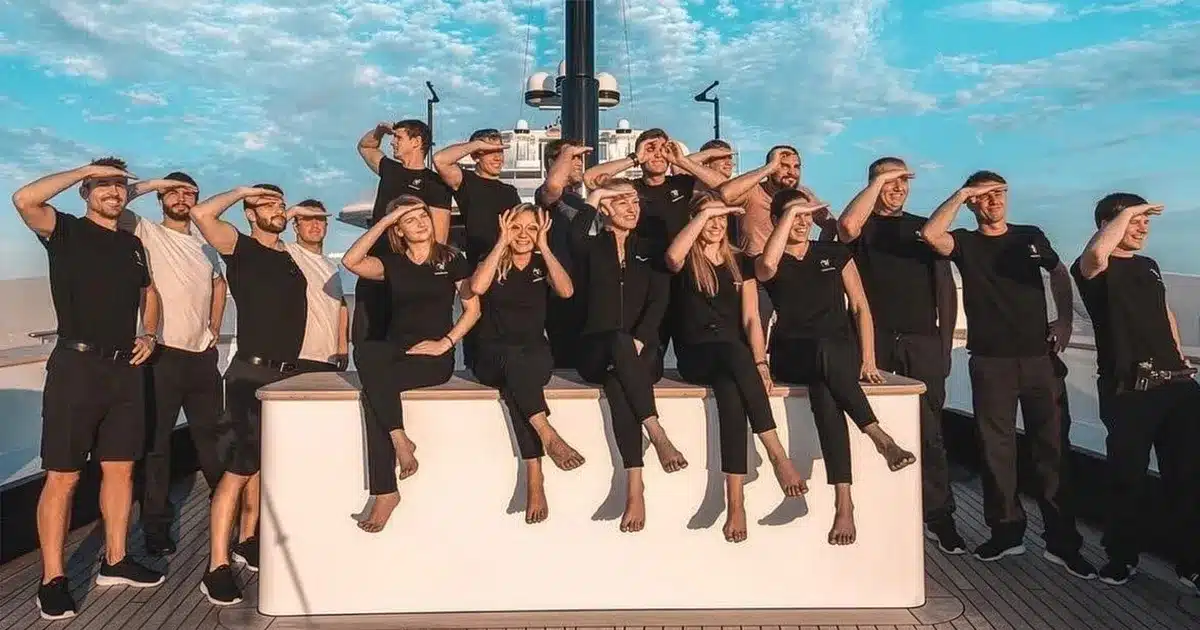
Working on a superyacht in 2026 offers high pay, global travel, and a unique live-work lifestyle—but it demands long hours, discipline, and adaptability. Entry roles like deckhand or stewardess require basic certifications such as STCW and ENG1. With experience, crew can earn substantial salaries, tips, and career growth in a competitive, rewarding industry.
Working on a superyacht sounds like a dream. You travel the world, stay on a floating luxury hotel, and get paid well while doing it. But it is also hard work, long hours, and a lifestyle that is not for everyone. If you have been searching for superyacht crew jobs 2026, this guide covers everything you need to know before you take the leap. From how to get your first job, what the pay looks like, what daily life is actually like onboard, and what qualifications you need, this is the most complete breakdown you will find. Read this before you apply anywhere.
What Is a Superyacht and Why Is Crewing One Different?
A superyacht is generally defined as a professionally crewed private vessel over 24 meters in length. Some of the largest yachts in the world stretch over 100 meters and carry crews of 50 or more people. These are not holiday boats. They are floating five-star hotels that require trained, professional staff to operate around the clock.
Working on a superyacht is different from other hospitality or maritime jobs for one main reason. You live where you work. There is no commute, no going home after a shift, and no separation between your workplace and your bedroom. That changes everything about how the job feels day to day.
Types of Superyacht Crew Jobs in 2026
Before you start applying, you need to understand how a superyacht is structured. There are two main departments and several entry-level positions that most people start from.
Deck Department
The deck team handles everything related to operating and maintaining the exterior of the yacht. This includes navigation, anchoring, water toys, tenders, and keeping the vessel clean and polished.
Common deck roles include:
- Captain: The most senior person on the vessel, responsible for everything
- First Officer or Chief Officer: Second in command, handles navigation and crew management
- Bosun: Supervisor of the deck crew, experienced and hands-on
- Able Seaman: Experienced deck hand with formal qualifications
- Deck Hand: Entry-level deck position, most people start here
Interior Department
The interior team handles hospitality, service, housekeeping, and guest experience. If the guests are happy, it is usually because the interior team is doing their job well.
Common interior roles include:
- Chief Steward or Chief Stewardess: Heads the interior department, manages service and budgets
- Second and Third Steward or Stewardess: Cabin service, table service, laundry, and guest support
- Junior Stewardess or Steward: Entry-level interior position
Engineering and Chef Roles
Engineers maintain all mechanical systems onboard including engines, generators, and water systems. Chefs are among the most valued crew on any yacht. A talented chef can significantly increase a yacht’s charter bookings and owner satisfaction.
Yacht Crew Salary in 2026
One of the most common questions from people researching superyacht crew jobs 2026 is how much they can actually earn. The answer depends on your role, experience, the size of the yacht, and whether it is a private or charter vessel.
Here is an estimated yacht crew salary guide based on available industry data for 2026:
| Position | Monthly Salary Range (USD) | Experience Required |
|---|---|---|
| Captain (large yacht) | $10,000 to $25,000+ | 10 to 20+ years |
| Chief Officer | $6,000 to $10,000 | 5 to 10 years |
| Chief Engineer | $7,000 to $12,000 | 5 to 10 years |
| Chef (experienced) | $5,000 to $12,000 | 3 to 8 years |
| Chief Stewardess | $4,500 to $7,000 | 3 to 7 years |
| Bosun | $4,000 to $6,000 | 3 to 6 years |
| Deck Hand (entry) | $2,500 to $3,500 | 0 to 2 years |
| Junior Stewardess (entry) | $2,200 to $3,200 | 0 to 2 years |
Note: All figures are estimates based on industry sources and crew agency data. Actual salaries vary depending on vessel size, owner preferences, and negotiation.
Tips and Charter Bonuses
On charter yachts, tips from guests can significantly increase your total income. It is common for charter guests to tip between 10 and 20 percent of the charter fee, divided among the crew. On a high-end charter that costs $200,000 per week, a full crew tip could add thousands of dollars per person per trip.
This is one of the biggest financial advantages of working on a superyacht versus land-based hospitality. Your base salary is tax-advantaged in many jurisdictions, your accommodation and food are covered, and tips can push your real earnings well above what the base salary suggests.
What Are the Hidden Financial Benefits?
Because you live on the yacht, your cost of living while working is effectively zero. No rent, no grocery bills, no commute costs. Many experienced crew members save the majority of their salary during a season and use the off-season to travel or invest. This is one of the most compelling financial arguments for the lifestyle, especially for people in their 20s and early 30s.
How to Get a Yacht Crew Job in 2026
This is the section most people searching for how to get yacht crew job information actually need. The process is more structured than many people expect, and getting it right significantly improves your chances.
Step 1: Get Your Basic Safety Training
The first thing you need before any reputable crewing agency will take you seriously is a STCW certificate. STCW stands for Standards of Training, Certification and Watchkeeping. It is a mandatory international maritime qualification that covers basic safety procedures including fire fighting, survival techniques, first aid, and security awareness.
Step 2: Get an ENG1 Medical Certificate
The ENG1 is a maritime medical certificate that proves you are physically fit to work at sea. It is required by most employers and charter management companies. It involves a straightforward medical examination with an approved doctor and is usually valid for two years.
Step 3: Build Your CV and Crew Profile
A yacht crew CV is different from a standard resume. It should include a professional headshot, your physical details such as height and weight (standard in the industry), all your certifications, any relevant hospitality or maritime experience, and references from previous employers.
Register with reputable crew agencies. Some of the most well-known include Luxury Yacht Group, YPI Crew, and Quay Crew. These agencies connect yacht owners and captains with qualified candidates actively looking for superyacht crew jobs 2026.
Step 4: Go Where the Yachts Are
Finding your first job is easier if you are physically present in a major yachting hub. The main hubs in 2026 are:
- Antibes and Cannes, France (Fort Vauban and Port Vauban marinas)
- Palma de Mallorca, Spain
- Fort Lauderdale, Florida, USA
- Auckland, New Zealand
- Sydney, Australia
Step 5: Start with Day Work
Day work means showing up at a marina in the morning and offering your labor for a day at a time, usually helping with maintenance, cleaning, or provisioning. It pays around $100 to $150 per day in most locations and serves two important purposes.
First, it gives you income while you are searching. Second, and more importantly, it gives you direct access to captains and crew who are hiring. Many permanent positions are filled through people who started as day workers. It is the single best foot-in-the-door strategy available.
What Is Daily Life Actually Like When Working on a Superyacht?
The reality of working on a superyacht is something applicants often underestimate. The lifestyle is genuinely exciting and the travel is real. But the demands are also real.
Hours and Work Schedule
During a charter or when guests are onboard, expect to work 12 to 16 hours per day, seven days a week. There is no typical 9 to 5. You work when the guests need you, which can mean early mornings, late nights, and immediate availability at all times.
Living Conditions Onboard
Crew cabins on superyachts range from comfortable to genuinely tight, depending on the size of the vessel. On a 40-meter yacht, crew cabins are typically small but functional with a bunk, storage, and a shared bathroom. On a 90-meter vessel, crew quarters can be surprisingly comfortable with private cabins for senior crew.
Social Life and Mental Health
Living and working with the same small group of people 24 hours a day can be wonderful and challenging. Great crews become like families. Difficult crew dynamics can make a job unbearable.
This is something the industry talks about more openly in 2026 than it did even five years ago. Mental health resources for crew have improved, and reputable yacht management companies now take crew welfare more seriously. That said, choosing the right boat and the right captain is probably the single most important factor in whether you enjoy the lifestyle.
Qualifications That Will Advance Your Superyacht Career
Beyond the basic STCW, there are qualifications that will significantly increase your employability and earning potential over time.
For deck crew, the main progression route leads toward an Officer of the Watch certificate and eventually a Master Yacht certificate or Captain’s license. These require sea time, examinations, and formal maritime school attendance.
For interior crew, wine and sommelier training, advanced service qualifications, and silver service certification all add value. Some chief stewardesses also pursue formal interior design or hospitality management qualifications.
Is a Career in Superyacht Crewing Right for You?
Working on a superyacht is genuinely one of the most unique lifestyle choices available to a working person in 2026. You can see the world, earn well, save money, and have experiences that most people only read about.
But it requires sacrifices. Birthdays missed, relationships tested by long absences, and a complete relinquishing of personal space and routine while onboard. Most people who last in the industry love the lifestyle deeply. Most people who leave quickly realized it was not what they expected.
CONCLUSION
The superyacht industry in 2026 offers real opportunities for people willing to put in the work to get started. Superyacht crew jobs 2026 are available at every level, from entry-level deck hands and junior stewardesses to experienced officers and world-class chefs. The yacht crew salary is competitive, the travel is unmatched, and the lifestyle is unlike anything else available in the working world. Getting started requires the right certifications, some patience, and the willingness to show up where the yachts are. If you have been wondering about how to get yacht crew job or what working on a superyacht is really like, the answer is simple: get your STCW, head to a marina, and go find out for yourself.
For more guides on yachting, sailing careers, and life on the water, visit turboocruiser.com.
Frequently Asked Questions (FAQs)
What qualifications do I need for superyacht crew jobs in 2026?
The minimum requirement for most superyacht crew jobs 2026 is a valid STCW certificate and an ENG1 medical. Beyond that, relevant experience in hospitality, maritime, or culinary fields will help significantly.
What is the average yacht crew salary for a beginner?
Entry-level yacht crew salary for a deck hand or junior stewardess is typically between $2,200 and $3,500 per month, plus accommodation, food, and potential tips. Charter tips can add a meaningful amount on top of base pay.
How do I get my first yacht crew job with no experience?
The best strategy for how to get yacht crew job with no experience is to get your STCW and ENG1, register with crew agencies, travel to a major yachting hub, and offer yourself for day work. Persistence and physical presence are the most important factors at the start.
What is it really like working on a superyacht day to day?
Working on a superyacht involves long hours during guest periods, close-quarters living with your crew, constant travel, and limited personal space. It is demanding but also genuinely exciting. The experience varies hugely depending on the yacht, the captain, and the owner.
Which locations are best for finding superyacht crew jobs in 2026?
The best places to find superyacht crew jobs 2026 are Antibes in France, Palma de Mallorca in Spain, and Fort Lauderdale in the USA. These are the industry’s main crewing and refit hubs where captains and crew agencies are most active.