
Owning a yacht is not only a symbol of luxury but also an experience of freedom, adventure, and lifestyle planning. Therefore, this Yacht Ownership Guide equips U.S. buyers with the knowledge needed to purchase, maintain, and enjoy a yacht responsibly. Furthermore, understanding your options helps avoid common pitfalls while maximizing enjoyment.
Whether you plan frequent cruising or occasional escapes, this guide also highlights charter luxury yacht opportunities and compares buying vs renting yacht decisions. By combining practical advice with financial insight, you gain confidence in making informed choices. Consequently, yacht ownership becomes both accessible and rewarding.
Why Buying a Yacht Is a Significant Investment
Owning a yacht involves more than the initial purchase; ongoing costs require structured planning. Typically, annual expenses including maintenance, insurance, docking, and fuel can reach 10–15% of the vessel’s value. Therefore, budgeting correctly ensures ownership remains enjoyable and financially manageable.
Moreover, maintenance represents a significant portion of operating costs, such as hull cleaning, engine servicing, and seasonal updates. Additionally, fuel and dockage fees fluctuate depending on usage patterns and marina location, so proactive planning is crucial.
Insurance further impacts total cost, often ranging from 0.6% to 1.4% of the yacht’s value annually. Consequently, owners must balance lifestyle goals with realistic cost expectations to safeguard both investment and experience.
Types of Yachts: Choosing the Right One for You
Choosing the right yacht depends on lifestyle, usage, and budget. Different types of yachts offer varying levels of comfort, speed, space, and maintenance requirements. By evaluating each category carefully, you can select a vessel that fits both practical needs and luxury desires.
Motor Yacht Ownership Guide
Motor yachts combine speed, convenience, and luxury, making them perfect for small groups or families. Generally ranging from 40 to 90 feet, these yachts provide predictable travel times and modern amenities. However, owners should also consider higher fuel costs and regular engine maintenance.
Catamaran Yacht Ownership Guide
Catamarans feature twin-hull stability and spacious interiors, making them ideal for comfortable cruising. Typically spanning 40 to 75 feet, they offer shallow drafts and smoother motion in rough waters. As a result, catamarans balance functionality and relaxation for longer trips.
Sailing Yacht Ownership Guide
Sailing yachts emphasize wind-powered cruising, usually between 30 and 60 feet. Owners enjoy eco-friendly travel and lower operating costs. Although they require sailing skills, these yachts provide timeless elegance and serene experiences at sea.
Sportfishing: Sport-Cruiser Yacht Ownership Guide
Sportfishing yachts combine speed, recreation, and adventure, ranging from 45 to 70 feet. Open decks and powerful engines allow fishing, diving, or water sports. Therefore, these vessels balance excitement with functionality while sacrificing some spacious comfort.
Superyacht: Large Luxury Yacht Ownership Guide
Superyachts exceed 80 feet, offering multiple decks and extensive amenities. They require professional crew, higher maintenance, and larger operational budgets. Nevertheless, superyachts deliver prestige, comfort, and lifestyle flexibility unmatched by smaller vessels.
New vs. Pre-Owned Yachts
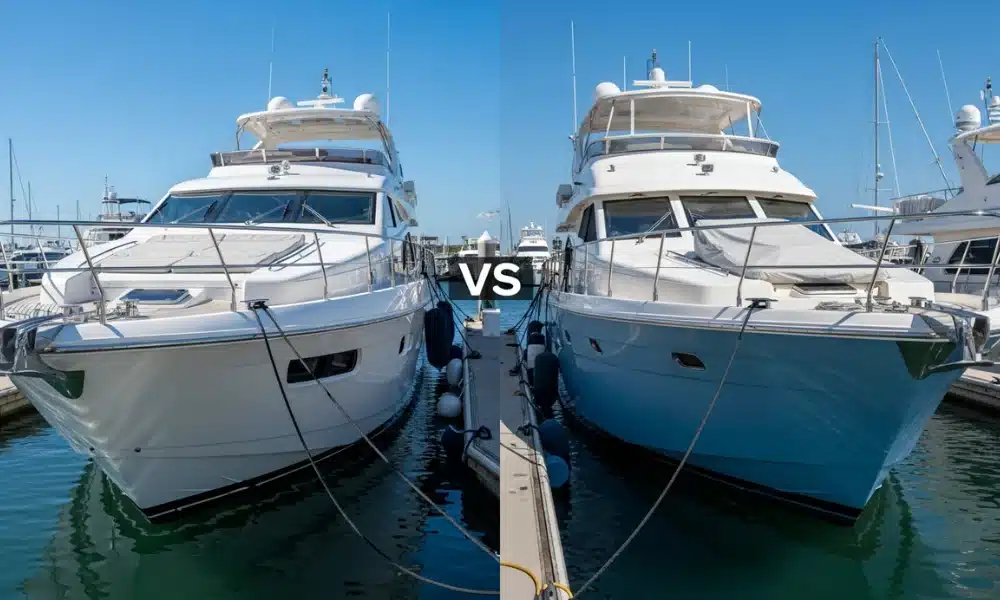
Choosing between a new or pre-owned yacht depends on budget, usage, and personal goals. New yachts provide modern technology, warranties, and customization opportunities. On the other hand, pre-owned yachts are more affordable but often require careful inspection and potential upgrades.
New Yachts
New yachts feature cutting-edge systems, modern layouts, and the reassurance of manufacturer warranties. Owners can customize interiors, layouts, and equipment to match their preferences, which adds significant value and comfort. However, these benefits come with higher purchase prices, faster initial depreciation, and ongoing costs that reflect the yacht’s premium status.
Pre-Owned Yachts
Pre-owned yachts offer a more cost-effective path into ownership, often priced 20–40% below a comparable new vessel. Buyers can still enjoy luxury and functionality, but they must budget for potential maintenance, upgrades, or refits. Moreover, a thorough survey and sea trial are crucial to assess the yacht’s condition, mechanical systems, and overall seaworthiness.
Factors to Consider
Owners should assess usage frequency, intended voyages, and required technology. For instance, occasional cruisers may benefit from pre-owned yachts, while full-season users might justify investing in a new vessel. Therefore, analyzing these aspects helps optimize enjoyment and cost management.
Balancing Investment and Lifestyle
Both new and pre-owned yachts can deliver exceptional experiences if matched to personal needs. Careful planning of expenses, maintenance, and cruising patterns ensures long-term satisfaction. Consequently, aligning your choice with lifestyle goals maximizes both value and enjoyment.
Budgeting and Financing: Yacht Ownership Guide
Purchasing a yacht involves more than upfront costs; operational expenses significantly impact long-term affordability. Owners should account for maintenance, fuel, docking, insurance, and crew, often totaling 10–15% of the vessel’s value annually. Hence, structured budgeting ensures financial stability.
Setting a Realistic Budget
Calculate total ownership costs rather than just purchase price to avoid surprises. For example, a $3 million yacht may require $300,000–$450,000 annually for operations. Accordingly, careful planning supports both lifestyle goals and financial security.
Financing Options
Many buyers leverage financing to manage costs, including yacht loans, mortgages, or specialized marine financing programs. Interest rates vary depending on the yacht’s size, age, and the borrower’s credit profile. Additionally, financing allows owners to preserve capital while still enjoying their yacht immediately.
Insurance Considerations
Insurance plays a critical role in budgeting, protecting the yacht from accidents, weather events, or liability claims. Coverage costs fluctuate based on vessel size, cruising areas, and intended usage. Therefore, prospective owners should compare policies, understand coverage limits, and factor premiums into their annual operating budget.
Balancing Costs and Lifestyle
Ultimately, budgeting involves balancing financial constraints with desired experiences. Transitioning between purchasing and chartering options, for example, can offer flexibility while reducing upfront costs. By planning carefully, owners ensure their yacht remains a source of enjoyment without compromising financial security.
Key Features to Consider: Yacht Ownership Guide
Evaluating essential yacht features ensures safety, comfort, and long-term usability. Each element, from engine performance to onboard amenities, significantly impacts the overall experience. By considering these features, buyers avoid surprises and enhance satisfaction.
Engine Type and Power: Match engine performance to cruising needs for optimal efficiency and reliability.
Hull Material and Design: Ensure stability, durability, and smooth handling across various sea conditions.
Navigation and Electronics: Advanced systems improve safety, accuracy, and onboard convenience.
Onboard Amenities: Comfortable cabins, kitchens, and entertainment features enhance onboard life.
Fuel Capacity and Efficiency: Sufficient fuel storage enables longer trips without frequent refueling.
Safety Equipment: Life jackets, fire suppression, and emergency tools ensure onboard protection.
Storage and Deck Space: Adequate storage supports gear, provisions, and leisure activities.
Maintenance Accessibility: Features that simplify upkeep reduce operational costs over time.
How to Find Reputable Brokers and Dealers in the U.S.
Selecting a trustworthy broker or dealer ensures smooth purchase and long-term satisfaction. Experienced professionals guide buyers through inspections, contracts, and legal compliance. As a result, choosing the right partner reduces risk and enhances confidence.
Check Credentials and Licenses: Confirm proper licensing and industry certifications.
Review Track Record: Choose brokers with proven experience and client satisfaction.
Seek References and Testimonials: Contact past clients to validate reliability and transparency.
Evaluate Knowledge and Expertise: Ensure familiarity with yacht types, markets, and financing.
Transparency in Fees and Contracts: Clear terms prevent misunderstandings and hidden costs.
Network and Industry Connections: Well-connected brokers access exclusive listings and deals.
Local Market Familiarity: U.S.-savvy brokers provide accurate guidance on regional regulations.
Availability and Communication: Responsive, clear communication supports smooth transactions.
Final Thoughts: Making Your Dream Yacht a Reality
This Yacht Ownership Guide demonstrates that owning a yacht is a blend of lifestyle, investment, and careful planning. By understanding types of yachts, new versus pre-owned options, budgeting, key features, and maintenance, buyers gain the confidence to make informed decisions.
Moreover, the choice between private ownership and chartering a luxury yacht depends on your intended use, frequency of trips, and financial goals. Thoughtful preparation ensures that every voyage is enjoyable, safe, and aligned with long-term expectations.
Remember, yacht ownership is not just about luxury it is about freedom, adventure, and creating lasting memories on the water. Therefore, by approaching the process strategically and seeking expert guidance, you can turn the dream of owning a yacht into a rewarding, sustainable reality.
FAQs
What is the first step in buying a yacht?
Identify lifestyle needs, budget, and intended use. Evaluate buying vs renting yacht options and yacht types.
How much does it cost to own a yacht annually?
Expect 10–15% of the yacht’s value for maintenance, fuel, insurance, docking, and crew. Proper planning avoids surprises.
Should I buy a new yacht or a pre-owned yacht?
New yachts provide warranties and modern amenities, while pre-owned options are more affordable. Your choice depends on budget and usage frequency.
Can I charter a luxury yacht instead of owning one?
Yes, chartering provides luxury access without full ownership costs. It suits occasional use or testing yacht types.
What are the key features to consider before purchase?
Engine type, hull design, navigation systems, amenities, fuel efficiency, safety equipment, storage, and maintenance accessibility are critical.
How do I find a reputable yacht broker in the U.S.?
Verify licensing, track record, references, expertise, and transparency. Reliable brokers simplify the purchasing process.
How can I maintain my yacht for long-term value?
Hull cleaning, engine servicing, seasonal preparation, and professional surveys preserve performance and resale value.
Is yacht ownership a good investment?
Yacht ownership primarily offers lifestyle and experiences. Financial returns are limited, so careful budgeting is essential.