When people talk about the world’s most revered yachts, one name keeps surfacing Feadship. For over seventy years, this Dutch shipyard has built vessels that don’t just float; they speak. Every yacht, from the revolutionary Savannah to the hydrogen-powered Breakthrough, tells a story of precision, passion, and quiet mastery.
But what exactly makes a superyacht builder stand above all others? Let’s set sail through the history, design philosophy, and future of this legendary name and why the word Feadship has become almost synonymous with perfection.
A Legacy Anchored in Dutch Heritage
Few shipyards can match the heritage and integrity behind Feadship. Rooted in the Netherlands, its story spans over seven decades of artistry, collaboration, and innovation.
The Origins of Excellence
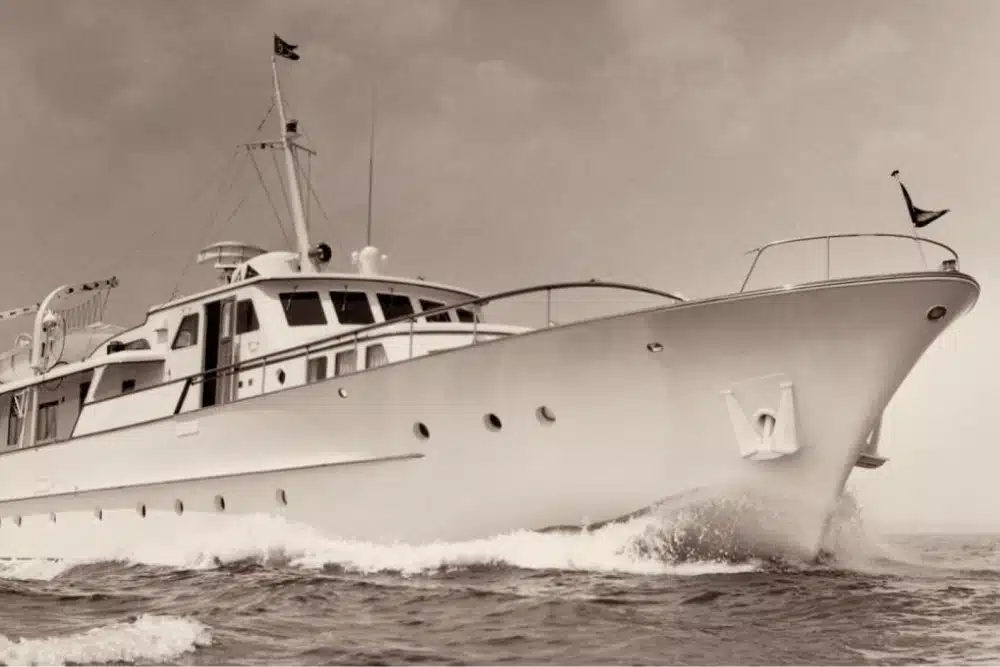
Founded in 1949, Feadship or First Export Association of Dutch Shipbuilders was born from a union of family-run yards like Royal Van Lent and De Vries Scheepsbouw. Their mission was simple: craft vessels that would stand the test of time, both in form and performance.
Tradition Meets Innovation
From the start, this Dutch shipyard blended traditional craftsmanship with technical innovation. Each vessel reflected Dutch precision steel hulls, aluminum superstructures, and a reputation for reliability that soon made it synonymous with maritime perfection.
Designing Dreams: What Makes Feadship Unique
A yacht can be engineered like a laboratory and still feel sterile. This yard’s trick is different: it invites light, flow, and silence into the design conversation. You notice that when you walk from saloon to aft deck and nothing jars no threshold, no odd echo, no glare.
Bespoke Craftsmanship
Unlike mass-produced yachts, every custom-built yacht begins as a conversation. Owners collaborate directly with engineers and artisans, creating one-of-a-kind vessels that mirror their personality and purpose no two are ever the same.
Materials and Precision
Each build combines a steel hull and aluminum superstructure, achieving strength without sacrificing elegance. This balance defines the modern long-range displacement yacht, capable of crossing oceans with serene stability and refined beauty.
Engineering Excellence: Innovation on the Water
Behind every Feadship is a team of dreamers and problem-solvers who see the ocean not as an obstacle, but as inspiration. In that spirit, it has greenlit projects that treat efficiency as a design material, not a marketing trim. Let’s talk through two flag-bearers that made everyone else pay attention.
Savannah: the hybrid pioneer
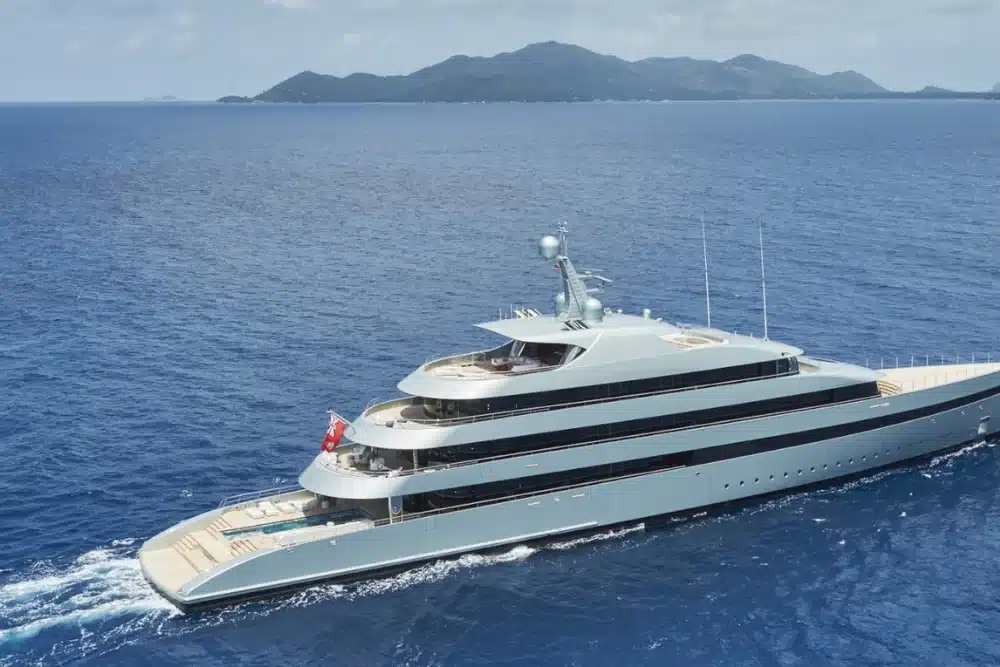
When the 83.5-meter Savannah arrived, the industry stopped mid-sentence. As a Feadship hybrid propulsion yacht, it stitched diesel and electric power into a seamless experience. Electric-quiet arrivals, smarter load sharing, and a hull that cuts like a painter’s brush this was eco-minded yachting with taste, not lectures.
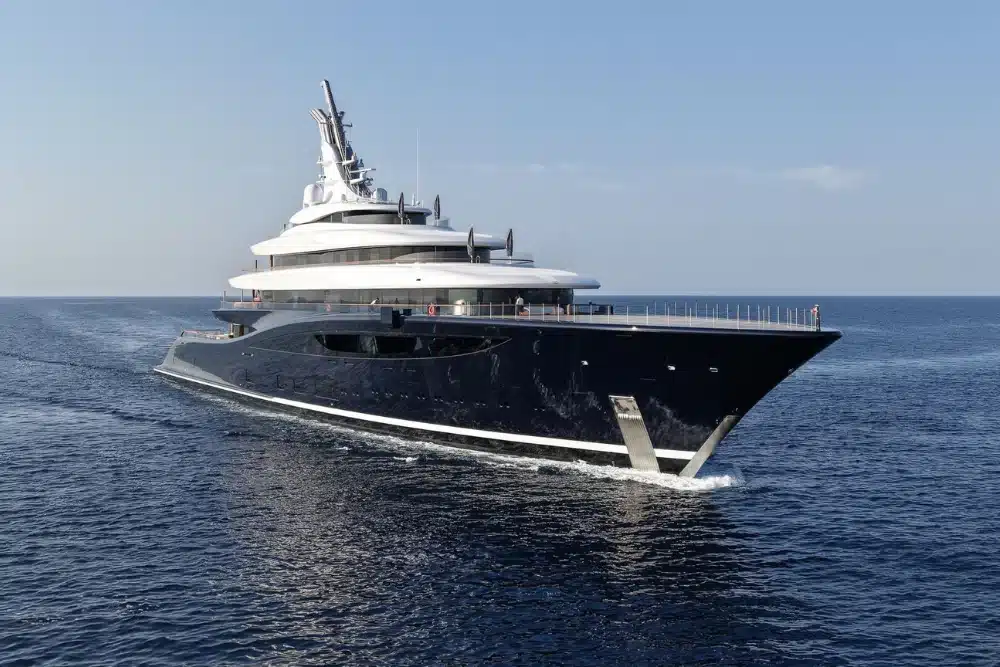
Breakthrough steps further, marrying fuel cells, storage, and sea-going systems in a way that respects safety and real-world constraints. As a Feadship explorer yacht, it treats sustainability as range and independence silent nights on the hook, thoughtful power management, fewer compromises in remote water.
Feadship Ownership Realities: What It Really Takes
Commissioning is both thrilling and slow. You’ll sketch dreams, approve drawings, choose wood grains, then wait. The timeline isn’t a flaw; it’s the cost of building a future heirloom rather than a weekend toy. In return, the boat fits you like an old jacket only it smells like teak and soft leather.
A word on health checks: good yards love transparency. Class requirements, stability books, maintenance calendars none of it should be mysterious. Ask questions; the best teams keep answers plain.
Build time and project flow
From letter of intent to delivery, three to five years is normal for serious tonnage. Early months are drawings, tank tests, and debates that save you years of regret later. Metal work happens faster than interiors because perfect joinery resists clocks. That patience shows every day you’re aboard.
Operating budgets and crews
Annual spend scales with size, itinerary, and how you like to run the ship. Straight talk: crew is your best “upgrade.” The right captain, chief, and interior lead protect the boat, the schedule, and the mood. That’s partly why Feadship resale value tends to stay resilient good boats, kept beautifully, keep reputations intact.
Buying or commissioning?
Some owners want the journey; others want the keys now. Brokerage options exist, of course, and refits can whisper your personality into an existing shell. New-builds give you absolute control; refits give you speed and sometimes better value. The answer is less financial than personal.
Beyond the Deck: The Feadship Charter Lifestyle
You can “test-drive” the dream with a season aboard a sistership. A thoughtful charter itinerary done with a captain who knows small bays and discreet anchorages teaches more than a hundred glossy photos. You learn your light preferences, your tender habits, your morning rhythm underway.
Why charter matters
Crew choreography is hard to grasp on a yard tour, but palpable on day three of a cruise. Service feels easy because someone designed workflows with empathy galley proximity, laundry routes, pantry access. That’s real design: not just pretty, but helpful. A Feadship yacht charter makes that visible.
Guest experience in real life
Sound levels drop at anchor; stair treads feel safe in motion; the beach club actually works at dusk when everyone’s barefoot and happy. You start storing memories in spaces instead of on SD cards. The sea becomes a setting, not a stage.
Choosing models and sizes
Picking length is less about bragging rights and more about the life you want aboard. Bigger buys you volume, tenders, and cinema rooms but sometimes steals intimacy. Smaller keeps marinas open to you and shortens turnarounds. The sweet spot is the one that suits your rituals.
Reading the portfolio
If you’re comparing layouts and eras, a curated Feadship yachts list helps connect the dots beam trends, sundeck logic, how beach clubs expanded. You’ll see the through-line: human-scale proportions and clean sightlines. Everything is there for a reason, even the quiet corners.
50 to 100 meters: what changes
In the mid-range, cabins breathe, galleys grow up, and storage stops feeling like a jigsaw puzzle. Over 90 meters, helidecks, wellness suites, and guest-tender fleets start to make sense not as toys, but as logistics that keep everyone comfortable day after day.
Conclusion: The Enduring Allure of Feadship
Feadship stands as more than a shipyard it’s a legacy of artistry, engineering, and quiet ambition. Every vessel reflects a blend of human touch and technical mastery, proving that true luxury is built, not bought.
In a world chasing speed and spectacle, Feadship remains deliberate patient in process, bold in vision, and unmatched in execution. It’s not just a yacht builder. It’s the keeper of a tradition that turns the ocean itself into art.
FAQs
What does the acronym mean?
It abbreviates “First Export Association of Dutch Shipbuilders,” a post-war collaboration that formalized the partnership among renowned Dutch yards and a design office.
How long does a new build usually take?
Plan for three to five years, depending on size, complexity, and customization. The earliest phases naval architecture, tank testing, engineering save time and headaches later.
Are hybrid and hydrogen systems practical for owners?
Yes, when designed as part of the whole boat. Hybrid power offers quiet operation and smarter load sharing; hydrogen projects demand extra planning but promise cleaner nights at anchor and thoughtful range.
What about annual running costs?
They scale with length, tonnage, itinerary, and crew size. The most reliable “return” comes from great people: well-led crews protect schedules, equipment, and guest experience.
Is charter a good trial before commissioning?
Absolutely. A season aboard a comparable vessel teaches preferences you can’t discover in a brochure traffic flow, sound levels, galley proximity, and how you actually live on the water.